
Skip to content

California wildfire information

Wildfire Utility Investigations in California: What the Process Means for Your Situation

Updated November 11, 2026

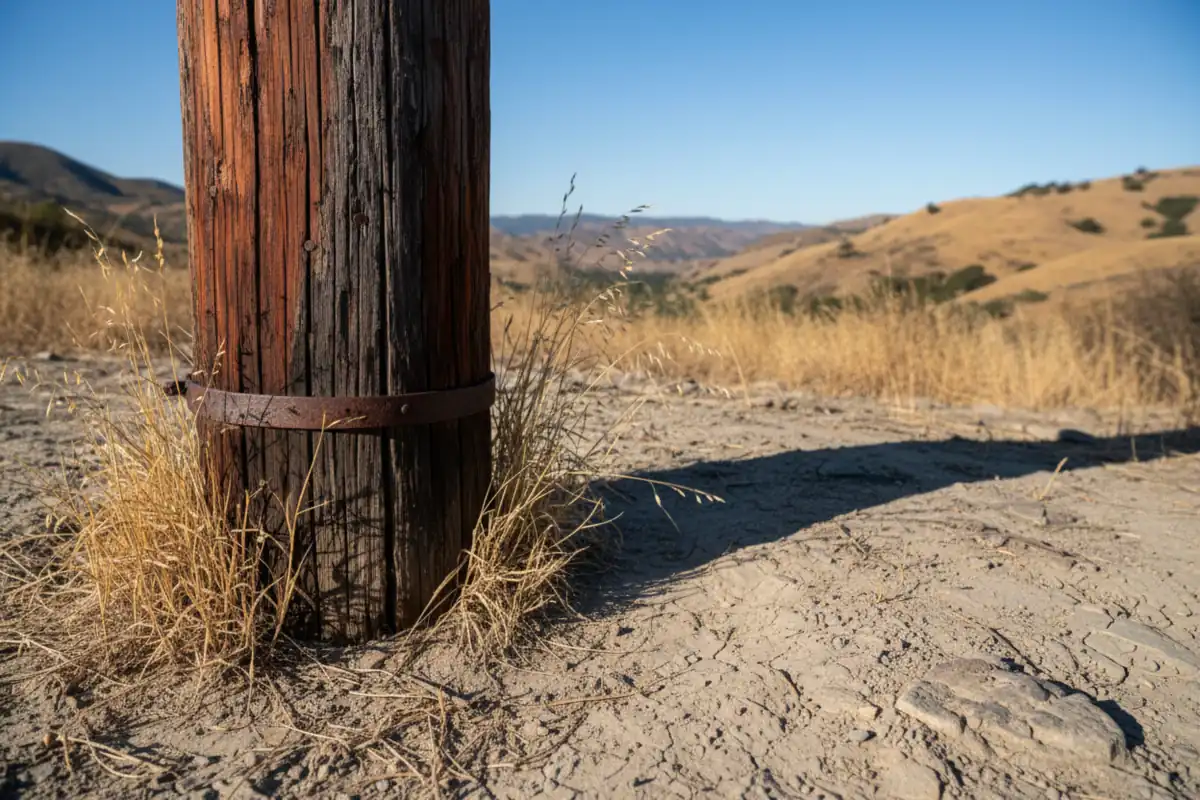
A weathered utility pole base in dry California chaparral, the kind investigated after wildfire ignitions.
Immediate answer

How California's utility regulator and energy safety agency look at fires involving utility equipment, which records matter, and why a finding is not a ruling.

On this page
  1. Who Is Looking Into the Fire Near Your Home
  2. What It Means When Investigators Point to a Cause
  3. How the Regulator's Review Can Bear on Your Family
  4. Why the Records Utilities Keep Can Matter to Your Claim
  5. What Investigation Findings Do and Do Not Decide for a Claim
  6. Questions Families Often Ask Before the Investigation Closes
  7. Frequently asked questions
  8. Sources

A wildfire utility investigation in California is the official look at whether a utility's power lines or equipment were involved when a fire started. Fire investigators work on where and how the fire began. The state's utility regulator separately reviews whether the utility followed the safety rules. These findings matter, but they do not decide a lawsuit.

Most people facing this question are living through the aftermath of a fire. The house may be gone or barely standing, a family may be staying with relatives, and someone may be grieving. In the middle of all that, there may be talk that a power line or a piece of utility equipment started it, and no one has given a straight answer. If you are waiting to learn what started the fire near your home, it helps to know who is looking into it, what they look at, and what their conclusions can and cannot mean for a family.

This page explains those parts in plain terms. It describes the separate reviews that can follow a fire, the records they draw on, and how an official finding relates to a civil claim.

Who Is Looking Into the Fire Near Your Home

"Utility investigation" is not one process. After a fire that may involve utility equipment, several separate reviews can run side by side. Each has its own purpose, its own pace and its own kind of record.

The first is the fire investigation itself. This is origin-and-cause work: finding where the fire started and what ignited it. The second is the regulator's review, which asks whether the utility broke a safety rule that applied when the fire began. The third comes from the utility. According to the California Public Utilities Commission, the CPUC, utilities must report to it any fire involving their equipment that meets specific criteria, such as size. That is set out on its wildfire and wildfire safety page.

A fourth agency works on prevention rather than investigation. The CPUC's page describes the Office of Energy Infrastructure Safety, often called Energy Safety, as "the primary state agency responsible for reducing the likelihood of utility-involved wildfires." Its plans and approvals often become part of the record after a fire.

A fire report, a utility's incident report and a regulator's enforcement file are separate documents on separate timelines. One can be finished while another is still open.

For a family, this means a news story or a letter about "the investigation" may be describing only one of these tracks. Knowing which one is being discussed can keep a single report from being mistaken for the whole picture. A conversation with our attorney can cover where each of these reviews seems to stand and which records have been made public so far.

What It Means When Investigators Point to a Cause

Origin and cause are two separate questions. The origin is the place where a fire began. The cause is what ignited it there. Fire investigators work toward both, and their conclusions form the starting point of the official story of a fire.

When utility equipment may be involved, the cause question can turn on the condition of a line, a pole or a protective device. The CPUC's page lists several common sources of wildfire ignition. Electric utility infrastructure is one. The others it names are debris and yard waste burning, motorized equipment and vehicles, campfires, lightning, arson and playing with fire, and smoking. A fire that started near a power line has not, for that reason alone, been shown to have started from it.

Families often learn about this work in pieces, through rumors, early news reports or a utility's first statement. A preliminary statement is not a conclusion, and an open investigation has not reached a finding. If you have heard early talk about a cause, it may help to know that the official record can look different once investigators finish sorting through the possibilities.

This page names no fire and says nothing about what caused any particular fire. Whether a specific ignition traced back to equipment is a question for the official record, once that record says so. And a finding about cause, from a fire agency or a regulator, is an official conclusion, not a court's decision on who is legally responsible.

How the Regulator's Review Can Bear on Your Family

California splits utility wildfire oversight between two agencies. In plain terms, the CPUC's page describes Energy Safety as the agency that reviews, approves or denies, and oversees compliance with each utility's wildfire plan. The CPUC looks at whether the costs of carrying out those plans are reasonable for purposes of cost recovery, and it holds enforcement authority over how utilities perform their plans and over utility-caused wildfire. For a family, the practical point is that the agency enforcing the rules after a fire is the CPUC.

A Wildfire Mitigation Plan is a utility's written plan for lowering the chance that its equipment starts a catastrophic fire. Energy Safety's Wildfire Mitigation Plans page states that electrical corporations must prepare and submit these plans to Energy Safety for review and approval. The page says the plans should describe how the utility "is constructing, maintaining, and operating its electrical lines and equipment in a manner that will minimize the risk of catastrophic wildfire." Energy Safety lists plans by year, from 2019 through the 2026-2028 base plans. According to the CPUC's page, the CPUC's role is to ratify Energy Safety's approval of a plan. Because these plans are written before a fire, they can show what a utility said it would do in an area like yours.

After a fire, the CPUC's page describes the investigative step. The Wildfire Safety Enforcement Branch of the CPUC's Safety Enforcement Division "investigates all wildfires reported to involve investor-owned utility equipment." If that division believes the utility violated an applicable rule or standard at the time of ignition, it "undertakes appropriate enforcement action." It may also act on referrals from Energy Safety.

That enforcement work is a regulatory proceeding: the regulator and the utility, before a government agency, deciding whether the utility followed the rules. Families who lost homes are not parties to it, and it does not decide whether the utility owes anything to them. Its file can still matter to a family, because it may show which rules applied and whether the regulator believed one was broken.

Why the Records Utilities Keep Can Matter to Your Claim

The records that can matter after a fire are the ones the safety rules require utilities to keep. The CPUC's page describes several sets of rules, called General Orders, that shape them. Each one points to a kind of record that may show how equipment near a home was built, inspected or managed:

  • General Order 95, last updated in January 2020, covers the design, construction, maintenance, inspection, repair and replacement of overhead utility facilities. Its Rule 37, Table 1 addresses how far conductors must be from the ground, from other structures and from vegetation. If a line near a property ran close to trees, these are the rules that speak to that distance.
  • General Order 128 sets requirements for underground electrical supply and communication systems.
  • General Order 165 sets inspection requirements for electric distribution and transmission facilities, so inspection records may show when equipment was last checked.
  • General Order 166 sets standards for emergencies, major outages and damage to distribution facilities. Under it, utilities must prepare and yearly update an emergency response plan, enter into mutual assistance agreements with other utilities, hold yearly emergency training and exercises, tell the public and public safety agencies the estimated time for restoring power during a major outage, and prepare fire prevention plans. The page says these standards "will facilitate the Commission's investigations into the utility's response to emergencies and major outages."

Other records come from prevention work. The CPUC's page describes Public Safety Power Shutoffs, in which a utility cuts power in certain places when weather and fuel conditions raise the risk that equipment failure will lead to a catastrophic fire. It also describes changes to protective equipment, such as circuit breakers, reclosers and fuses, so that power shuts off faster during dry conditions in high fire-threat areas. Energy Safety added a category for documenting these settings to its 2022 plan guidelines. Together with the utility's filed plans, these records can show what the utility planned and what it did.

Evidence preservation has its own rules. The CPUC's page states that Public Utilities Code 316 and General Order 95, Rule 19 govern preserving evidence for investigations of utility-related safety incidents.

These records are generally held by the utility, and some appear in regulatory filings, so a family usually cannot see them all at the start. Families do have their own records. If you were affected, the ones that usually matter on your side include photos and video of the property and the fire, insurance correspondence, documents showing what was lost, and medical records for anyone who was hurt.

What Investigation Findings Do and Do Not Decide for a Claim

A finding that utility equipment was involved answers one question, the cause. A civil claim, a case one person or family brings against another party in court, asks more. In a negligence case, the questions are usually described in four parts:

  • duty, meaning whether the party had a legal obligation to act with care
  • breach, meaning whether it fell short of that obligation
  • causation, meaning whether that shortfall actually caused the harm
  • damages, meaning the losses the law recognizes

An official finding may be relevant evidence on some of these questions, especially causation, but whether each part is met depends on the facts. Fire cases in California can also involve rules specific to fire, and other parties besides a utility may be involved, as the page on who may be responsible describes. The same goes for equipment owner liability.

It is easy to read too much into a report, or too little. A family may hear that a finding points to equipment and assume the question is closed. Another may hear that an investigation is still open and assume nothing can be learned yet. Neither reading is quite right. The civil claim itself, how it is filed and what California law asks, is explained on the page about a utility wildfire lawsuit.

Whether and how a published finding fits into a possible claim is the kind of question a conversation with our attorney can help you think through, often most usefully once you can see which reports exist and what they say. If you would like to have it, you can request a case evaluation.

Questions Families Often Ask Before the Investigation Closes

While an official review is still underway, the questions a family carries are often practical. Which agency is looking at this fire? Has the utility reported it? Has any enforcement action been announced? What records do we already have?

Timing deserves its own attention. An investigation runs on its own schedule. A civil claim has deadlines set by California statutes, and those deadlines do not wait for an investigation to finish. When a deadline starts to run, and whether any exception applies, comes from the statute that governs the claim, and the rules can differ depending on who the claim is against. This page does not state those periods. The page on claims for a past wildfire discusses time limits for California wildfire claims.

Families in this position often keep a running file with photos and video, insurance letters, receipts and lists of what was lost, medical records, and the dates of any notices from the utility or an agency. A file like this can make it easier to compare what the official record says with what the family saw.

These questions can feel heavy when daily life is already upended. Seeing how an open investigation and a claim deadline sit side by side lets a family make decisions on its own terms, and talking it through with an attorney can make the choices clearer.

Free case evaluation

No Fee Unless We Win Your Case

A free case evaluation is how it starts. Tell us what happened, and we’ll help you understand your options. You pay no fee unless we win your case.

California Wildfire Litigation Group

How it works

  1. Call us or request a free case evaluationTell us what happened, in your own words.
  2. Talk through your caseYour options, and what your case may be worth.
  3. No fee unless we winYou pay no attorney fee unless we win your case.
Free case evaluation

Tell Us What Happened

Frequently asked questions

What is the CPUC's role after a wildfire in California?

The California Public Utilities Commission's page states that its Wildfire Safety Enforcement Branch investigates all wildfires reported to involve investor-owned utility equipment. If it believes the utility violated an applicable rule or standard at the time of ignition, it takes enforcement action. That is a regulatory process, separate from any civil lawsuit.

Does an investigation finding that utility equipment started a fire mean the utility is liable?

No. A finding about cause is an official conclusion, not a court's decision. A civil claim also turns on duty, breach, causation and damages, and those questions are decided in a court case. A finding may be relevant evidence, but whether each element is met depends on the facts.

What is a wildfire mitigation plan and why does it matter?

It is a utility's plan for reducing the risk that its equipment starts a catastrophic wildfire. Utilities submit these plans to the Office of Energy Infrastructure Safety, which reviews them and approves or denies them. The CPUC then ratifies an approval. A plan can show what a utility committed to do before a fire.

What records can matter when utility equipment may have caused a fire?

The CPUC describes rules on overhead line maintenance, inspection and vegetation clearances, inspection requirements, underground systems, and emergency and outage response. Records kept under those rules, along with power shutoff and protective-device records, are generally held by the utility. Some of them appear in regulatory filings.

What is the difference between a regulatory enforcement action and a civil lawsuit after a wildfire?

An enforcement action is brought by the regulator against the utility over a safety rule. A civil lawsuit is brought by an affected person or family over the losses a fire caused. The two run on separate tracks, and the outcome of one does not decide the other.

What is a Public Safety Power Shutoff?

The CPUC's page describes it as a utility shutting off power in certain places at certain times when weather and fuel conditions increase the risk that equipment failure will lead to a catastrophic fire. The CPUC requires utilities to use it only as a last resort, under guidelines it set.

CallTextFree Case Evaluation