Skip to content

California wildfire information

Who May Be Responsible for a California Wildfire

Updated November 10, 2026

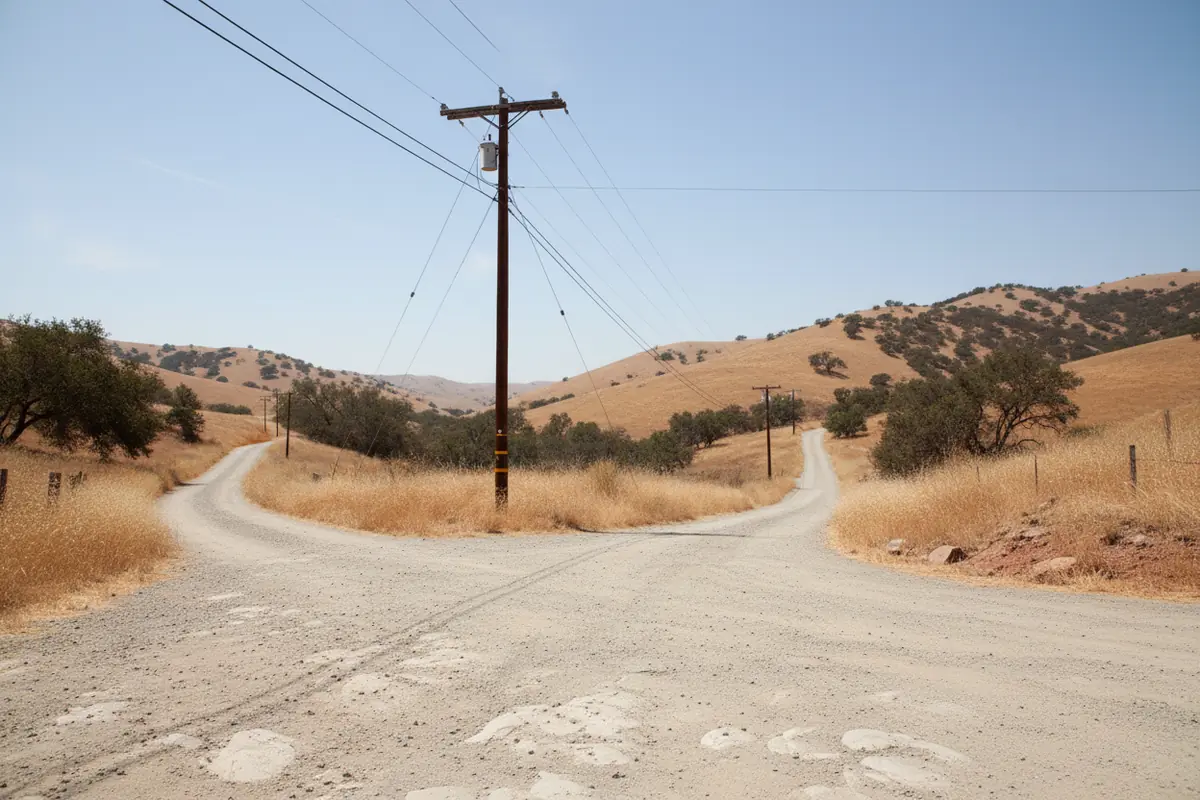
A rural California crossroads with a utility pole, where wildfire liability can involve multiple parties.
Immediate answer

Beyond a utility, California law can reach landowners, contractors, equipment operators and public agencies. Here is each fire rule and the public claim deadlines.

On this page
  1. Did Someone Besides a Utility Start the Fire? Who California Law Holds Accountable
  2. If the Fire Began on a Neighbor's Land: Landowners and the Duty to Prevent a Fire from Spreading
  3. If Work Was Happening Near Where the Fire Started: Contractors and Equipment Operators
  4. When a Public Agency May Be Involved — and Why the Rules Differ
  5. What Evidence May Show Who Caused the Fire That Reached You
  6. Questions Worth Asking Before Deciding How to Proceed
  7. Frequently asked questions
  8. Sources

After a California wildfire, responsibility is not limited to a utility. Under California law, anyone who sets a fire, allows one to be set, or lets a fire they started or tended escape to another's property may be liable for property damage, as may a landowner who lets a fire escape without due diligence. That can include landowners, contractors, equipment operators and, under separate claim rules, public agencies.

Most people facing the aftermath of a wildfire come to this question while living out of a suitcase or a relative's spare room. A family has lost a home, a ranch, a business or a person they loved, and the first explanation they hear is often about a power line. Many of them wonder whether anyone else played a part: the neighbor with the burn pile, the crew clearing brush down the road, the mower in a dry field, the county road nobody cleared. This page walks through who else California law can reach, what each party controlled, and why a claim against a public agency runs on its own, much shorter clock.

Did Someone Besides a Utility Start the Fire? Who California Law Holds Accountable

California has two short statutes that speak directly to fire. The first, section 13007 of the California Health and Safety Code, reads in full:

"Any person who personally or through another wilfully, negligently, or in violation of law, sets fire to, allows fire to be set to, or allows a fire kindled or attended by him to escape to, the property of another, whether privately or publicly owned, is liable to the owner of such property for any damages to the property caused by the fire."

Three ways of acting are named there: wilfully, negligently or in violation of law. The words "personally or through another" mean a person can fall within the statute through someone acting for them, not only by their own hand.

The second, section 13008 of the California Health and Safety Code, covers a narrower situation. A person who "allows any fire burning upon his property to escape to the property of another" without "exercising due diligence to control such fire" is liable to the owner for the damage the fire caused. Due diligence here means, in plain words, the reasonable effort a person makes to keep a fire on their land under control. What counts as reasonable effort depends on the circumstances of each fire.

If your property was damaged, both statutes describe liability to you as the owner of that property, and neither is limited to any one kind of company. Utilities and equipment owners are covered on their own pages, including the one on a utility wildfire lawsuit; this page looks at the other parties whose conduct can matter.

For a family, the practical point is that the question is not only "who owned the line?" but "who set, tended or controlled the fire, and what did they do?" A conversation with an attorney can help a family think through which parties' conduct may be relevant to their loss, while remembering that a statute describes a rule, and whether it is met depends on the facts.

If the Fire Began on a Neighbor's Land: Landowners and the Duty to Prevent a Fire from Spreading

If the fire that reached your home began on a neighbor's land, the two statutes above are where the analysis usually starts.

"Allowing a fire to escape" can arise in ordinary land management. A landowner might burn a pile of cut brush, run a mower or other equipment over dry grass, or leave a debris fire tended for a while and then unattended. The statutes do not say that any of these activities is wrong in itself.

The difference between the two sections can matter here. Section 13007 turns on how the fire was set or allowed to escape. Section 13008 can apply to a fire burning on someone's land even when the question is less about how it started and more about what the owner did once it was burning.

For a family whose home burned, this means a neighboring property owner's conduct may be part of the picture, alongside or instead of a utility. What tends to matter is where the fire began, whose land that was, and what the owner did before and during the fire: whether anyone was watching it, what tools or water were at hand, and how quickly help was called. None of those questions has a fixed answer, and a fire's start on someone's land does not by itself show that they failed to act with care. A practical next step for many families is writing down what they saw or heard about that land before and during the fire, and sharing those notes with an attorney who can compare them against the two statutes.

If Work Was Happening Near Where the Fire Started: Contractors and Equipment Operators

Section 13007 is written about "any person," and its words "personally or through another" reach work done by others. That wording can bring in the people doing the work, not only the people who own the land.

Fires can begin from work near dry vegetation: land clearing, grading, welding or cutting with power tools, or a vehicle or machine driven or parked over tall grass. A contractor hired to clear a lot, a crew running heavy equipment, or a driver operating machinery in a field may be the person who, in the statute's words, set a fire or allowed one kindled or attended by them to escape. A property owner who hired that work may also be part of the question, because the statute speaks of acting "through another."

Responsibility turns on control, not on presence. Being near the place a fire started is not the same as setting it. The questions that tend to matter are who was running the equipment, who directed the work, who decided when and where it happened, and who was responsible for the conditions around it. Where several parties shared a job site, each one's role is looked at separately.

If you lost a home or land and you know work was happening nearby that day, the details of that work become part of the story: what equipment was used, which company or person was operating it, and whether it ran at the spot where the fire is believed to have started. Those facts, more than anyone's assumptions, shape whether section 13007 has anything to say about that party. Noting the names on trucks, signs or equipment, and keeping any photos of the work, can give a family and an attorney a starting point for sorting out each party's role.

When a Public Agency May Be Involved — and Why the Rules Differ

If a city, county or district may have played a part in your loss, the claim follows a different path. A public entity, in plain words, is a government body such as a city, county or special district. For most fire losses, section 905 of the California Government Code means a claim for money or damages against a local public entity is presented under the Government Code's claims chapters. The section lists exceptions, including certain tax refund claims, mechanics' lien claims, public employee pay claims, and claims where workers' compensation is the exclusive remedy.

The time to present that claim is set by section 911.2 of the California Government Code. A claim relating to a cause of action for death or for injury to a person, to personal property or to growing crops is to be presented not later than six months after the cause of action accrues, meaning after the claim arises. A claim relating to any other cause of action is to be presented not later than one year after accrual.

When a six-month claim is not presented in time, section 911.4 of the California Government Code allows a written application to the public entity for leave to present it late. The application is to be presented within a reasonable time not to exceed one year after accrual, state the reason for the delay, and attach the proposed claim. The section sets rules for counting that year, including that time as a minor counts, while time a person is mentally incapacitated without a guardian or conservator does not.

After the entity acts, section 945.6 of the California Government Code sets the time to sue, except as provided in sections 946.4 and 946.6 and subject to an extension for people imprisoned in a state prison. If written notice is given under section 913, suit is to be commenced not later than six months after that notice is personally delivered or mailed. If no such notice is given, suit is to be commenced within two years from accrual, not counting any extension of the entity's time to act under section 912.4(b).

Against a public entity, these claim and suit periods govern, not the general two-, three- or five-year lawsuit periods. A public agency's road maintenance, vegetation management or fire response may or may not be relevant to a given fire, and whether the claim process applies depends on which body was involved. If you would like to talk through whether a public body's conduct may matter and how these periods read against your dates, you can request a case evaluation.

What Evidence May Show Who Caused the Fire That Reached You

Showing responsibility under section 13007, section 13008 or a negligence theory means connecting a particular party's conduct to where the fire started and how it spread. Evidence is how that connection is made, or shown not to exist.

Official fire investigation reports often sit at the center. Fire agencies investigate origin and cause, and their reports describe where investigators believe a fire began. A report is not a finding that any person is liable, but it frames the facts others work from.

Beyond that, the records that often matter include equipment use and maintenance records for machinery working near the origin, contracts and work orders showing who hired whom and for what, and land-use and vegetation-management records for the property where the fire began. Photographs and video, from phones, doorbell cameras, vehicles or neighbors, can show smoke, flames and conditions at particular times. Witness accounts from people who saw the start, the spread or the work underway can fill gaps no document covers.

If you were affected by a wildfire, the records that usually matter on the loss side include photos of the property before and after, insurance correspondence, receipts, and, after a death or injury, medical and death records. Families often find they already hold more than they realized in old phone galleries and emails.

Much of this evidence sits with agencies, companies and neighbors, alongside what the family holds. Knowing which categories exist can help a family and an attorney see which questions the facts will need to answer and where answers may be found.

Questions Worth Asking Before Deciding How to Proceed

In the early weeks after a wildfire, taken up with housing, insurance and grief, a family often does not know which parties contributed. Some questions help frame what comes next, without deciding anything.

Where is the fire believed to have started, and whose land was that? Was anyone working, burning or running equipment there, and who directed that work? Was the fire burning on someone's property before it spread, and what did that owner do once it was? Did a city, county or district have any role in the conditions or the response, and if so, which one?

That last question carries a timing consequence: a claim against a public entity runs on the Government Code's own schedule, separately from any claim against a private party. Families sometimes treat every possible defendant on one schedule; the Government Code does not.

Other questions concern the loss itself: what was damaged or destroyed, whether someone was hurt or died, and what records of that loss exist. Answers to these help separate claims that turn on property damage from claims that turn on injury or death, since section 911.2 treats them differently against a public entity.

A conversation with an attorney at this stage can help a family sort out which of these questions apply, what the fire's known facts suggest about each party's role, and how the relevant periods read. For a wider view, the site's pages on a wildfire lawsuit attorney, common wildfire claim questions and choosing a wildfire lawyer cover related ground.

Free case evaluation

No Fee Unless We Win Your Case

A free case evaluation is how it starts. Tell us what happened, and we’ll help you understand your options. You pay no fee unless we win your case.

California Wildfire Litigation Group

How it works

  1. Call us or request a free case evaluationTell us what happened, in your own words.
  2. Talk through your caseYour options, and what your case may be worth.
  3. No fee unless we winYou pay no attorney fee unless we win your case.
Free case evaluation

Tell Us What Happened

Frequently asked questions

Can a private landowner be held responsible for a wildfire in California?

A landowner can fall within California's fire statutes. Section 13007 of the Health and Safety Code looks at how a fire was set or allowed to escape, while section 13008 looks at whether an owner used due diligence to control a fire already burning on their property. Whether either applies depends on the facts.

What does "due diligence" mean under California's wildfire liability law?

In section 13008 of the Health and Safety Code, due diligence refers to the reasonable effort a person makes to control a fire burning on their property. What satisfies it depends on the circumstances of each fire, such as what the owner knew and what they did once the fire was burning.

Can a contractor or equipment operator be responsible for starting a wildfire?

A contractor or operator whose work or machinery sets a fire, or who allows a fire they kindled or attended to escape, may fall within section 13007 of the Health and Safety Code. Responsibility turns on what the party controlled and what they did, not merely on being near where the fire began.

Can a government agency be responsible for a wildfire?

A public entity may be part of the question in some situations. Under section 905 of the Government Code, claims for money or damages against local public entities are presented under the Government Code's claims chapters, with listed exceptions. Section 911.2 sets the time to present those claims, separate from the general lawsuit periods.

What is the deadline to file a claim against a public agency after a wildfire?

Section 911.2 of the Government Code sets six months after accrual for claims involving death, personal injury, personal property or growing crops, and one year for other claims. These govern, not the general two-, three- or five-year periods. Section 911.4 allows an application to present a late six-month claim within a reasonable time, not exceeding one year after accrual.

What happens after a public agency denies a wildfire claim?

Section 945.6 of the Government Code sets the time to sue, subject to exceptions it names. If written notice is given under section 913, suit is to be commenced within six months after the notice is delivered or mailed. Without that notice, the period is two years from accrual.

What evidence is typically relevant in a California wildfire liability case?

Evidence often includes official fire investigation reports, equipment use and maintenance records, contracts and work orders, land-use and vegetation-management records, photographs and video, and witness accounts. Whether any of it supports a claim against a particular party depends on the facts of the specific fire.

Sources

  1. 01California Health and Safety Code § 13007 · California Legislative Information
  2. 02California Health and Safety Code § 13008 · California Legislative Information
  3. 03California Government Code § 905 · California Legislative Information
  4. 04California Government Code § 911.2 · California Legislative Information
  5. 05California Government Code § 911.4 · California Legislative Information
  6. 06California Government Code § 945.6 · California Legislative Information
CallTextFree Case Evaluation