Skip to content

California wildfire information

California Wildfire Claim Services

Updated November 10, 2026

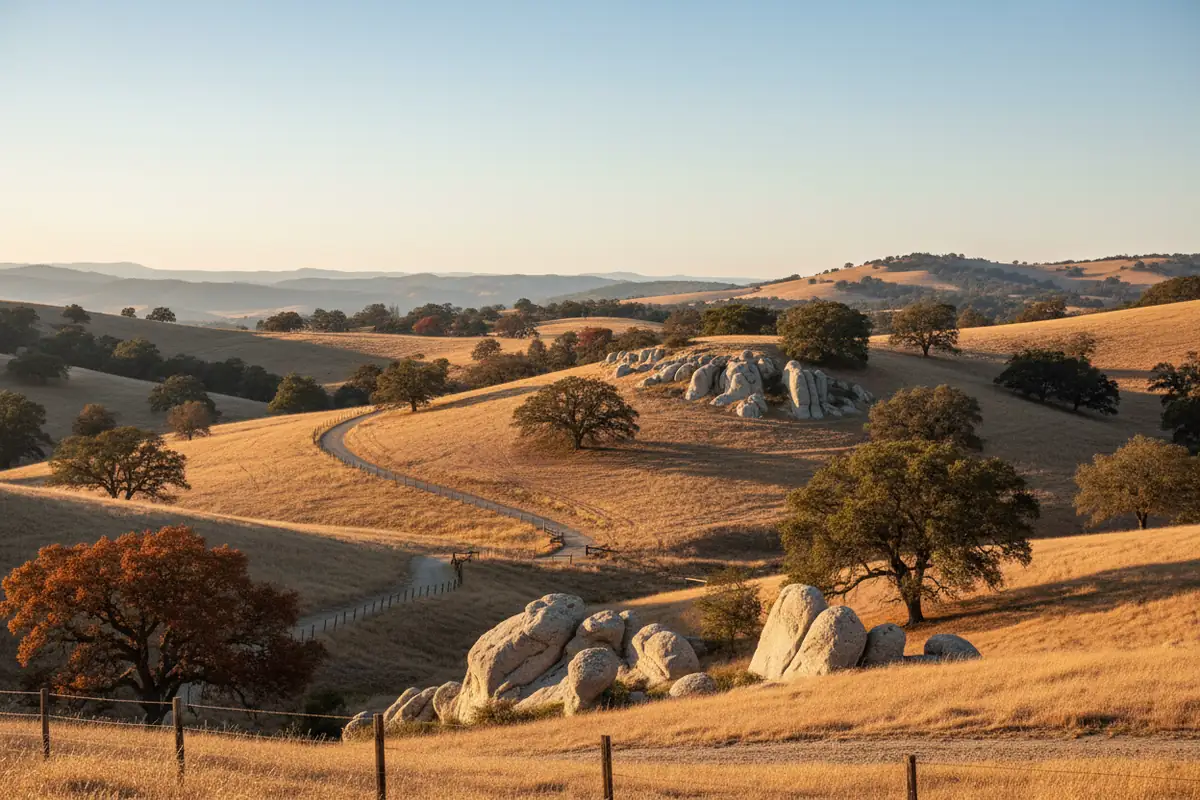
Golden California foothills with scattered oaks, the kind of land wildfire claims concern.
Immediate answer

How California wildfire claims work: fire liability under Health and Safety Code 13007, replacement-cost timing in Insurance Code 2051.5, and federal aid limits.

On this page
  1. Key Takeaways
  2. What a Family May Have Lost: The Losses California Wildfire Claims Cover
  3. How a Family's Claim Can Arise Under California Law
  4. Who May Be Responsible for the Fire That Reached Your Property
  5. What Evidence Matters in a Wildfire Claim
  6. What Your Insurer Owes After a California Wildfire: Replacement-Cost Rules
  7. Whether Federal Disaster Aid Can Help Your Household, and Its Limits
  8. Damages California Law May Allow
  9. California Jurisdiction: Where These Claims Are Filed
  10. Questions Worth Asking Before Moving Forward
  11. Frequently asked questions
  12. Sources

After a California wildfire, a family's losses can run through three separate channels. The first is a civil claim against whoever set the fire or let it escape. The second is the family's own insurance policy. The third is federal disaster aid. California law decides the civil and insurance questions, federal law governs the aid, and the three interact.

If you are reading this, a fire may have taken your home, your business or the belongings of a lifetime. Your family may be living out of a relative's spare room or a motel. Someone you love may be struggling to breathe, or may not have survived. Most people facing this are trying to answer several questions at once: what happened, who may be responsible, what the insurer owes, whether government help is available, and what the next step looks like. This page takes those questions one at a time, the way they come up in a real conversation about a California wildfire.

Key Takeaways

  • Under California's Health and Safety Code § 13007, a person who wilfully, negligently or in violation of law sets a fire, allows one to be set, or allows a fire they kindled or attended to escape to another's property is liable to the owner for damages to the property caused by the fire. A civil property claim after a fire usually begins with this rule.
  • Under California's Insurance Code § 2051.5, when a replacement-cost policy covers a loss tied to a state of emergency, the insurer generally may not give the insured less than 36 months from the first actual-cash-value payment to collect full replacement cost, subject to the policy limit. A family rebuilding slowly is not cut off by an early deadline.
  • Under 42 U.S.C. § 5174(a), the President, in consultation with the Governor, may provide financial assistance and, if necessary, direct services to households that, as a direct result of a major disaster, have necessary expenses and serious needs they cannot meet through other means.
  • Under 42 U.S.C. § 5155(a), the President, in consultation with the federal agencies that run disaster aid programs, must assure that no one receives federal disaster assistance for any part of a loss for which the person has already received financial assistance under another program, from insurance or from any other source. Under § 5155(b), this generally does not bar federal aid to a person who may be entitled to other benefits but has not received them by the time of applying, if the person agrees to repay any duplicative assistance.
  • Which of these channels applies, and how they fit together, turns on the circumstances of the fire, the loss and the policy.

What a Family May Have Lost: The Losses California Wildfire Claims Cover

A single wildfire rarely causes a single kind of loss, so a California wildfire matter usually involves several at once.

The home and other structures come first for most families. Destruction of a house, garage, fencing or outbuildings is a real-property loss, and section 13007 speaks directly to damage "to the property caused by the fire."

Personal property, the contents of a home, is separate. That includes furniture, clothing, tools, vehicles, heirlooms and everything else that burned or was ruined by smoke. Insurance policies often treat contents differently from the structure, and under California Insurance Code section 2051.5, the fact that a personal property inventory is premature because the primary structure has not yet begun construction may be one circumstance beyond the insured's control that supports an extension of time to submit proof of loss.

A business can lose its building, inventory and equipment, and can lose income while it cannot operate. These commercial losses usually raise different policy terms and different proof than a household claim.

Displacement is a loss of its own. Families who cannot return home face the cost of temporary housing and day-to-day living away from home, and federal aid under section 5174 addresses "necessary expenses and serious needs" after a major disaster.

Smoke and fire can also injure people, through breathing problems, burns or other physical harm. Those injuries raise personal-injury questions that differ from property questions.

Wrongful death is the hardest category. It means a claim by certain family members when a person dies because of another's wrongful act or negligence.

Each kind of loss can follow a different legal path and turn on different evidence, so a loss left unnamed may be left out of the claim it belongs to. Naming each loss separately is often a useful starting point, and a conversation with an attorney can help match each one to its channel.

How a Family's Claim Can Arise Under California Law

Section 13007 is the California statute written for fires. Its text says a person "who personally or through another wilfully, negligently, or in violation of law, sets fire to, allows fire to be set to, or allows a fire kindled or attended by him to escape to, the property of another, whether privately or publicly owned, is liable to the owner of such property for any damages to the property caused by the fire." The rule reaches conduct carried out personally or "through another," and it covers both private and public property. For a property owner, the statute gives a direct basis for a claim, but only if the fire's origin and the person's conduct fit its terms.

Negligence is the broader theory, and it comes down to four questions. Did the other party have a duty, a legal obligation to act with reasonable care? Was there a breach, a failure to meet that obligation? Is there causation, a link between the breach and the harm? And are there damages, actual losses that resulted? Personal-injury and wrongful-death claims, which section 13007 does not address because it speaks only of property, often rely on negligence.

Premises liability is a form of negligence based on the condition of land. If you are a neighbor whose home burned after a fire started on someone else's land, this theory asks whether that owner or occupier is responsible for harm caused by a condition there, such as vegetation or equipment kept on the property.

Comparative fault is a rule that divides responsibility among the people involved according to each one's share of fault. Where it applies, it can reduce what a person may recover.

None of these elements is established by the loss itself. A burned home, however devastating, does not prove who started the fire or that anyone was careless. The strength of a claim rests on investigation records rather than on the size of the loss, and an attorney can help sort out which theory the known facts may support.

Who May Be Responsible for the Fire That Reached Your Property

The type of party involved shapes the legal theory and the evidence that matters.

Property owners and operators are one category. Someone who controls land, a burn pile, equipment or vegetation may face a premises-liability theory, or a section 13007 claim if a fire they set or attended escaped to a neighbor's property.

Utility operators are another. Utilities run lines and equipment across large stretches of land. A claim against a utility operator may rest on negligence, on section 13007 if its terms fit, or on other legal frameworks tied to the type of entity.

Equipment manufacturers and sellers can be involved when a machine or component is said to have started a fire. Product liability is a claim that a defective product caused harm. Whether a defect existed and caused the fire is a matter of proof.

Maintenance contractors, such as companies hired to inspect equipment or clear vegetation, may also be part of the picture if their work bears on how a fire started or spread.

Government entities are a separate category. A claim against a public entity in California follows its own procedural requirements, including a claim-presentation step before a lawsuit, as the jurisdiction section below describes.

More than one party can share responsibility for a single fire. The list of possible parties is often longer than it first seems, and a party overlooked early, especially a public entity with its own claim step, may be harder to reach later. Narrowing that list is part of the early work an attorney can help with.

What Evidence Matters in a Wildfire Claim

Because liability rests on facts, the records behind those facts often decide where a claim can go. For a family, each record below answers a specific question someone will ask later.

Fire investigation reports are central. CAL FIRE and other investigating agencies prepare official records about a fire's origin and cause. Those reports speak to causation, the link between conduct and loss.

Utility inspection and maintenance records can show how lines, poles or equipment were inspected and kept up. In a negligence claim, they bear on duty and breach.

Photographs and video of the damage, before and after the fire where they exist, help show what was lost and its condition. That evidence supports both the liability claim and the insurance claim.

Medical records document smoke inhalation, burns and other physical harm, and the treatment that followed. In an injury claim, they connect the fire to the harm.

Insurance policy documents and correspondence, including the declarations page, the policy itself, adjuster letters and payment records, define what coverage exists. Payment records also show what insurance has already paid, which matters when federal aid is considered.

Proof of ownership and value, such as deeds, receipts, appraisals, inventories and business records, supports the measure of damages and the proof of loss an insurer may request.

Witness names and contact information can matter as well. Neighbors, first responders and others who saw the fire's start or spread may describe facts no document records.

If you lost your home, you may have lost many of these records with it. Families in that position often rebuild the record from banks, insurers, photos shared with relatives and public records. A gap in one category can often be filled from another source, and the records gathered early tend to become the backbone of both the insurance claim and any claim against a responsible party.

What Your Insurer Owes After a California Wildfire: Replacement-Cost Rules

Section 2051.5 sets out how replacement-cost coverage works in California. Replacement cost means the amount it would cost the insured to repair, rebuild or replace what was lost, "without a deduction for physical depreciation," or the policy limit, whichever is less. If a policy requires the insured to rebuild or replace before collecting full replacement cost, the insurer pays actual cash value, a separate measure defined in another section of the Insurance Code, until the property is rebuilt. Afterward, it pays the difference up to the policy limits. In practice, a family may receive one payment early and a second after rebuilding.

The timing rules matter most after a wildfire. Ordinarily, an insurer may not set a time limit of less than 12 months from the first actual-cash-value payment for collecting full replacement cost. For a loss relating to a state of emergency, as defined in Section 8558 of the Government Code, the minimum is 36 months. The insurer must grant one or more six-month extensions for good cause if the insured, acting in good faith and with reasonable diligence, faces delays beyond their control, including permit delays, material shortages or unavailable contractors. Nothing prevents an insurer from allowing more time.

What is at stake for a family is the second payment. Under a policy that requires rebuilding first, the difference between actual cash value and full replacement cost is paid only once the property is rebuilt, so knowing when the window began, and whether an extension may apply, bears directly on whether that difference is collected.

Proof of loss has its own protection. After a state-of-emergency loss, an insurer may not require proof of loss less than 100 days after the loss. It must also provide three-month extensions for good cause, which may include insurer delays, a premature contents inventory, unavailable contractors, the insured's disability or injury, or lack of access to the property. The statute's list of reasons is partial.

Disputes over denial, underpayment or delay are a distinct legal issue from the claim against whoever caused the fire.

Whether Federal Disaster Aid Can Help Your Household, and Its Limits

Section 5174(a) authorizes federal help to households after a major disaster. In consultation with the Governor, the President may provide financial assistance and, if necessary, direct services to individuals and households who, as a direct result of the disaster, have necessary expenses and serious needs they cannot meet "through other means." The same subsection says a household may not be denied certain assistance solely because it has not applied for or received a loan or other aid from the Small Business Administration or another federal agency. This aid is meant to cover gaps when other resources fall short.

Section 5155(a) sets the limit described in the Key Takeaways: federal aid and an insurance payment, or a payment from any other source, generally cannot cover the same part of the same loss, unless an exception applies, such as aid provided before other benefits are received, subject to repayment. For a family, the practical stake is that aid is measured against what insurance and other sources have already paid, so a misunderstanding of what each payment covered can affect how much aid fits.

Federal aid and a civil claim against a responsible party are separate channels. One is assistance, the other is a legal claim for damages. The statutes supplied here do not say that receiving aid bars a civil claim. How a later recovery from another source affects aid already received is a question that turns on the facts and on rules beyond this excerpt, and it is one an attorney can help a family think through alongside the insurance claim.

Damages California Law May Allow

Damages are the losses the law may allow a person to recover. Which categories apply rests on the law governing the specific claim, and this section is a description of categories, not a forecast of any outcome.

For property, section 13007 makes a liable person responsible for "any damages to the property caused by the fire." That can involve the cost to repair or replace a structure, the loss of personal property, and losses to a business's property.

Claims tied to injuries and displacement commonly raise further categories:

  • medical expenses, past and future, for treatment of burns, smoke inhalation or other harm;
  • lost income, and in some cases a reduced ability to earn in the future;
  • additional living expenses and displacement costs while a family cannot live at home;
  • pain and suffering, meaning the physical pain, emotional distress and loss of normal life that an injury causes.

For families who lost a family member, wrongful-death damages may be part of the claim, as defined earlier.

Each category needs its own proof, which is why the records a family keeps now matter later: medical bills tie to treatment costs, pay records to lost income, and receipts to living expenses. A category without its records may be hard to support. Insurance payments and federal aid may also bear on what is claimed, under the rules above. This page gives no medical advice and does not describe any particular injury's treatment.

California Jurisdiction: Where These Claims Are Filed

Civil claims arising from a California wildfire are generally heard in California state court under California law. Which county's court hears a case usually turns on where the fire occurred and where the parties are located. When many families are affected by the same fire, related cases can raise their own procedural questions, and a family's case may move alongside those of neighbors.

A claim against a government entity follows a distinct path. California generally requires a written claim to be presented to the public entity before a lawsuit can be filed against it, and that requirement carries its own time limits. The page on California wildfire claim deadlines covers those limits.

A statute of limitations is the deadline by which a lawsuit must be filed. California wildfire claims are subject to one, and the period varies with the type of claim, such as injury or property, and the parties involved. This page does not set out those periods or when they begin to run, and it cannot say how much time any reader has. The overview on California wildfire lawyer questions also discusses the limitations rule for property claims.

A filing deadline is the one part of the process that does not wait for rebuilding to finish. For a family, knowing whether a public entity may be involved, and which kind of claim is at issue, is often what determines which clock matters first.

Questions Worth Asking Before Moving Forward

Certain questions tend to come up at this stage, and the answers are specific to each fire, loss and set of parties.

One is which losses belong to the insurance claim and which belong to a claim against whoever caused the fire. The two run on different rules and different timelines.

Another is how federal aid, insurance and any later recovery line up, given the overlap limit in section 5155.

A third is what evidence still exists. Investigation reports, utility records, photos and witnesses' memories are held by different people, and what remains available can vary over time.

A fourth is whether more than one party may share responsibility, each with its own legal theory.

The last is which deadline applies to the type of claim involved, including the separate claim step for a public entity.

Families who want to talk these questions through with someone can request a case evaluation and discuss the fire, the losses and the records with our attorney.

Free case evaluation

No Fee Unless We Win Your Case

A free case evaluation is how it starts. Tell us what happened, and we’ll help you understand your options. You pay no fee unless we win your case.

California Wildfire Litigation Group

How it works

  1. Call us or request a free case evaluationTell us what happened, in your own words.
  2. Talk through your caseYour options, and what your case may be worth.
  3. No fee unless we winYou pay no attorney fee unless we win your case.
Free case evaluation

Tell Us What Happened

Frequently asked questions

What legal claims can a California wildfire survivor bring?

The main theories are negligence, premises liability and the property rule in Health and Safety Code § 13007, which makes a person liable for a fire they set, allowed to be set, or allowed to escape to another's property. Which theories apply depends on the facts of the specific fire and loss.

Does homeowners insurance cover wildfire damage in California?

Coverage depends on the policy's terms. For replacement-cost policies, Insurance Code § 2051.5 measures replacement cost without depreciation, up to the policy limit, and after a state-of-emergency loss allows at least 36 months from the first actual-cash-value payment to collect it. Disputes over denial, underpayment or delay are a separate legal issue.

Can I receive federal disaster aid and still file a civil lawsuit?

Federal aid under 42 U.S.C. § 5174(a) and a civil claim are separate channels. However, 42 U.S.C. § 5155(a) bars federal aid for any part of a loss already paid by insurance or another source. How the two interact in a given case is a factual question.

Who may be legally responsible for a California wildfire?

Possible parties include property owners and operators, utility operators, equipment manufacturers and sellers, maintenance contractors and government entities. Identifying which of them, if any, is responsible is a factual and legal question. It is not a conclusion drawn from the fire alone, and more than one party can be involved.

What is the deadline to file a wildfire lawsuit in California?

A statute of limitations, the deadline for filing a lawsuit, applies to California wildfire claims. The period depends on the type of claim and the parties, and claims against government entities have a separate claim-presentation step with its own time limits. This page does not compute anyone's remaining time.

What damages can a wildfire victim recover under California law?

Depending on the facts, the categories can include property repair or replacement, medical expenses, lost income, additional living expenses, pain and suffering, and wrongful-death damages. What applies, and whether anything is recovered, depends on the facts and the law governing the claim.

What records matter most in a California wildfire claim?

The records that usually matter include CAL FIRE and other investigation reports, utility inspection and maintenance records, photos and video of the damage, medical records, insurance policies and correspondence, proof of ownership and value, and the names of witnesses. Each one connects to a different part of the claim.

What does replacement cost value mean after a California wildfire?

Under Insurance Code § 2051.5, replacement cost is what it would cost to repair, rebuild or replace the lost property without a deduction for physical depreciation, or the policy limit, whichever is less. If the policy requires rebuilding first, the insurer pays actual cash value until the property is rebuilt, then the difference.

Sources

  1. 01California Health and Safety Code § 13007 · California Legislative Information
  2. 02California Insurance Code § 2051.5 · California Legislative Information
  3. 0342 U.S.C. § 5174 · GovInfo (U.S. Government Publishing Office)
  4. 0442 U.S.C. § 5155 · GovInfo (U.S. Government Publishing Office)
CallTextFree Case Evaluation