Skip to content

California wildfire information

California Wildfire Lawyer

Updated November 10, 2026

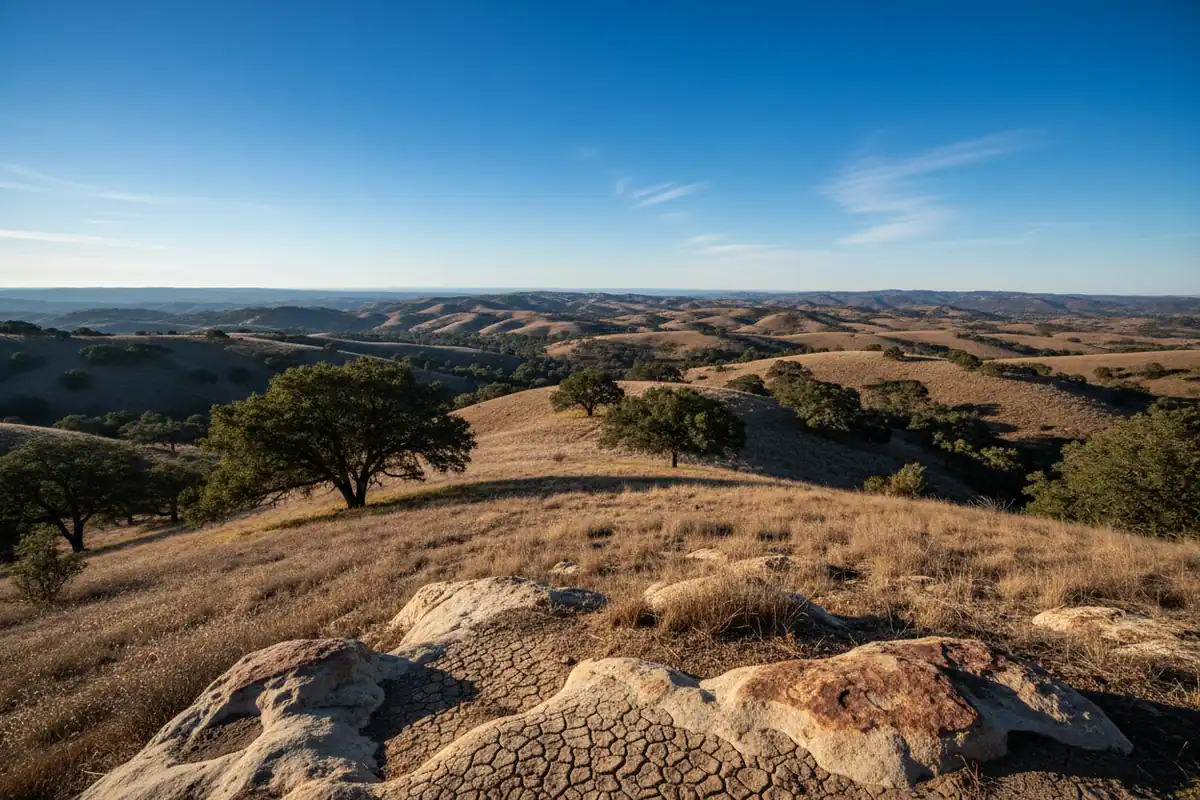
Golden California chaparral hills and dry earth stretching toward a clear horizon.
Immediate answer

How California wildfire claims work: fire liability under Health and Safety Code 13007, the three-year period in CCP 338, replacement-cost rules and federal aid.

On this page
  1. Key Takeaways
  2. When a California Family May Want a Wildfire Lawyer
  3. How a Wildfire Becomes a Legal Claim for Your Family
  4. Who May Be Responsible for the Fire That Reached Your Property
  5. Evidence That Often Matters in Wildfire Claims
  6. Injuries and Losses California Wildfire Law May Address
  7. Filing Deadlines Under California Law
  8. What a California Wildfire Lawyer Does
  9. Frequently asked questions
  10. Sources

A California wildfire lawyer helps a family whose home, property or loved one was harmed by a wildfire work out who may be legally responsible, what California law allows, which deadlines apply, and how an insurance claim and a liability claim against a responsible party fit together.

Most people searching for a California wildfire lawyer are doing it from a relative's spare room, a motel or a rental, after a fire took a house, a business, the things inside them, or a person they loved. Claim numbers from the insurer are arriving, there is talk of federal aid, and underneath all of it sits a harder question: did this fire have a cause that someone is answerable for, and what does California law say about it? This page walks through that question the way it is usually discussed across a conference table, one piece at a time.

What follows covers the California statutes that most often frame these claims, the kinds of loss they reach, the evidence that tends to matter, and how an insurance claim differs from a lawsuit.

Key Takeaways

These are the points of law that shape most conversations about a California wildfire loss.

  • California makes a person liable for fire damage to someone else's property in defined circumstances. Under section 13007 of the California Health and Safety Code, anyone who personally or through another "wilfully, negligently, or in violation of law" sets fire to, allows fire to be set to, or allows a fire they kindled or attended to escape to another's property is liable to the owner for damages to the property caused by the fire.
  • California sets a three-year period for certain claims. Section 338 of the California Code of Civil Procedure lists, among others, actions for injury to real property, actions on a liability created by statute, and actions for injuring goods or chattels, each with a three-year period.
  • California insurance law sets rules for replacement-cost policies after a declared state of emergency. Section 2051.5 of the California Insurance Code bars an insurer from giving a policyholder less than 36 months, from the first actual cash value payment, to collect full replacement cost after a loss relating to a state of emergency, subject to the policy limit.
  • Federal disaster aid is generally not paid twice for the same loss. Under 42 U.S.C. § 5155(a), no one will receive federal assistance for any part of a loss already covered by assistance under another program, by insurance or by any other source.

None of this is a checklist. Each rule describes what the law provides; whether and how it applies turns on the facts of a particular fire and a particular loss.

When a California Family May Want a Wildfire Lawyer

When a fire comes through, the losses rarely arrive one at a time. A house may be gone or badly damaged. Furniture, tools, vehicles, heirlooms and business inventory may be lost. Someone may have been burned or hurt by smoke while getting out, and some families lose a person. For months afterward, a household may be unable to live in or use its property at all. Each of these, real property damage or destruction, personal property loss, physical injury, wrongful death and loss of use, is a kind of harm that can lead families to talk with a lawyer.

Two separate tracks often run at once. The first is an insurance claim, a request to a family's own insurer under the policy it bought. The second is a third-party liability claim, a claim against someone else whose conduct may have caused the fire or let it spread. The two are different in who is involved and what has to be shown, and they can coexist: having an insurance claim open does not by itself close off a liability claim, and a liability claim does not replace the insurance policy.

Timing is part of the stake. Section 338 of the Code of Civil Procedure gives three years for an action for injury to real property, measured from when a cause of action accrues. Which period applies to a given claim, and when it began, depends on the claim and the facts.

Federal aid adds another layer. Because 42 U.S.C. § 5155(a) bars federal assistance for any part of a loss already paid by insurance or another source, a family weighing insurance proceeds, federal aid and a possible liability claim is weighing pieces that interact. A conversation with an attorney at this stage can help a family sort out which losses fall on which track and how those sources relate, without anyone yet knowing how a claim would turn out.

The rule at the center of most California wildfire property claims is section 13007 of the Health and Safety Code, summarized in the Key Takeaways above. Read slowly, it asks several questions. Who set the fire, allowed it to be set, or let a fire they kindled or attended escape? Was that done wilfully, negligently, or in violation of law? Did it reach property belonging to someone else, whether privately or publicly owned? And did the fire cause the damage claimed?

For a family, the word "negligently" is where much of the claim tends to turn. In plain terms, a negligence claim asks whether a party failed to use reasonable care, and it is usually described in four parts: whether that party had a legal obligation (a duty) to act with reasonable care toward people like you, whether it failed to meet that obligation (a breach), whether that failure is linked to your harm (causation), and what actual losses you suffered (damages).

Causation is often where wildfire cases are hardest. Connecting a fire's point of origin to a particular person's or company's conduct can involve burn patterns, weather, vegetation, equipment, maintenance histories and the sequence of how the fire moved from one property to the next. A fire, however destructive, does not prove that anyone was negligent; the cause has to be shown with evidence.

What is at stake is whether a loss stays with your family and your insurer, or whether someone else may be answerable for it. Whether the elements of section 13007 or a negligence claim are met depends on the facts of the specific fire, and those facts usually come from investigation rather than from early news reports. A family in this position may weigh what it already knows about where the fire reached its property and when, and may ask whether any agency investigation is underway. Those are questions a conversation with an attorney can help sort out.

Who May Be Responsible for the Fire That Reached Your Property

Many families reasonably wonder whether anyone at all is responsible, or whether a wildfire is simply weather and bad luck. Sometimes it is. Sometimes the investigation of a fire's origin points toward a person or business, and the law then asks what that party owed and what it did.

Potential defendants in California wildfire cases are usually described by type:

  • An infrastructure operator, such as a company that runs power lines or other equipment that can spark.
  • A landowner or occupant whose property is where a fire started or from which it escaped.
  • An equipment manufacturer whose product is alleged to have failed in a way that started a fire.
  • A maintenance contractor hired to inspect, clear vegetation around, or repair equipment.
  • A government entity, which may be subject to special rules about immunity and about how and when claims against it are presented.

Section 13007 is the common statutory starting point. What duty a particular party owed, and whether it was breached, depends on what that party controlled and what it did.

For you, the identity of the responsible party can shape the whole claim, including which rules and which timing apply; a government entity, for example, may be subject to its own rules on presenting claims. More than one party can also share responsibility for the same fire. Under the idea of comparative fault, responsibility for your harm can be divided among the parties whose conduct contributed to it, with each one's share weighed. How that division works in your case is a question of law applied to the facts.

Identifying who may bear responsibility comes from investigating where the fire began and how it spread. It is a factual inquiry, not a prediction, and this page names no fire, utility or company. A family may note what it observed, such as nearby equipment, work crews or where the fire seemed to come from, and may ask an attorney which kinds of parties could be involved.

Evidence That Often Matters in Wildfire Claims

If your home burned, the records that usually matter in a wildfire claim reach well beyond the property itself. Records that often come up include:

  • Property records and photographs, including deeds, permits, plans, and any pictures or video of the home and its contents from before and after the fire.
  • Insurance policies and every letter, email and claim note exchanged with the insurer.
  • Investigation reports from CAL FIRE or other public agencies, which are official agency records of what investigators found and concluded.
  • Utility and maintenance records for equipment near the fire's origin, such as inspection logs and vegetation-clearing records.
  • Medical records for anyone hurt, showing the injury and the care received.
  • Receipts, bank and card statements, and inventories that help show what personal property existed and what it was worth.

Families often find themselves rebuilding an inventory of a whole life from memory, old phones and relatives' photo albums. That work, painful as it is, is frequently what documents personal property loss, and it can determine how much of a loss can be shown.

Evidence also has a legal side that can affect your claim. If evidence that a party had a duty to preserve is destroyed or lost, called spoliation, it can affect a claim, including how a court treats the missing evidence. Much of the evidence about a fire's cause, such as equipment and maintenance histories, sits with other parties rather than with the family. Gathering it usually happens through formal requests and the court process, which is one reason the evidence picture tends to grow over time.

A family in this position may gather the records it holds, keep every communication with the insurer, and list which records likely sit with others. Which of those records matter most, and whether anyone had a duty to preserve them, are questions an attorney can help sort out.

Injuries and Losses California Wildfire Law May Address

A wildfire's harm takes many forms, and the law describes them in categories rather than amounts. The categories that commonly arise include:

  • Real property, meaning the structure and the land, including damage to the home, outbuildings, fencing and landscaping.
  • Personal property, the belongings inside and around the home.
  • Bodily injury, such as burns, smoke inhalation and respiratory illness.
  • Wrongful death, a claim brought by surviving family members when a person dies as a result of another's wrongful act or neglect.
  • Loss of use, the inability to live in or use property while it is damaged.
  • Additional living expenses, the extra costs of housing and daily life while displaced.

Section 13007 speaks to damages "to the property caused by the fire." Other categories, such as injury and wrongful death, rest on other law. Whether any category applies, and in what amount, depends on the facts and the proof.

Insurance is a separate track with its own rules. Replacement cost is what it would cost to repair, rebuild or replace what was lost, without a deduction for depreciation. Actual cash value is a lower measure that accounts for depreciation. Under section 2051.5 of the Insurance Code, an open policy that requires payment of replacement cost measures the loss at that cost or the policy limit, whichever is less. If the policy requires the insured to repair, rebuild or replace before collecting full replacement cost, the insurer pays actual cash value until the property is repaired, rebuilt or replaced, and then pays the difference up to the policy limit.

For a homeowner who has received an actual cash value check and is wondering whether that is all, this structure is important. After a loss relating to a state of emergency, as defined in section 8558 of the California Government Code, the insurer may not set a time limit of less than 36 months from the first actual cash value payment to collect full replacement cost, subject to the policy limit. The insurer must also give additional six-month extensions for good cause when an insured acting in good faith and with reasonable diligence meets delays beyond their control, which the statute says include unavoidable permit delays, lack of materials or unavailable contractors. And after such a loss, the insurer may not require proof of loss less than 100 days after the loss, with additional three-month extensions for good cause in the circumstances the statute describes.

A family may weigh which of these categories fit its own losses, note any delays beyond its control in rebuilding, and ask which losses the policy reaches and which might belong to a liability claim instead.

Filing Deadlines Under California Law

If you are a homeowner still sorting through the aftermath, deadlines can feel abstract next to rebuilding. They are not. A statute of limitations is the period the law allows for filing a lawsuit, and a claim filed after the applicable period has run is typically barred.

Section 338 of the Code of Civil Procedure sets a three-year period for an action for trespass upon or injury to real property. The same section gives three years for an action on a liability created by statute, other than a penalty or forfeiture, and for an action for taking, detaining or injuring goods or chattels, including recovery of personal property. The section measures these periods from when a cause of action accrues, and it contains special rules for particular listed situations, such as theft of an article of historical, interpretive, scientific or artistic significance, where the claim is not deemed to accrue until the article's whereabouts are discovered.

Other kinds of claims can follow different timelines. Personal injury and wrongful death claims may carry limitation periods different from the three years for property. Claims against government entities may require a notice or claim to be presented earlier than a lawsuit would otherwise be filed. This page does not set out those periods, and it does not say how much time remains for any family or whether any deadline has passed; both depend on the claim, the parties and when the claim arose.

Because one fire can produce several kinds of claims against several kinds of parties, a family can be looking at more than one clock at once. Sorting out which periods may apply to which losses is one of the things a conversation with an attorney can cover, and you can request a case evaluation to talk through the dates and losses involved in your situation.

What a California Wildfire Lawyer Does

Legal work in a wildfire case usually begins with the fire itself rather than the paperwork. It involves investigating where the fire started and how it spread, identifying parties who may bear responsibility, preserving evidence, evaluating insurance coverage, pursuing third-party liability claims, and litigating when a claim is not resolved otherwise.

The distinction between the two tracks shapes the work. A first-party insurance claim is a claim against the homeowner's own insurer, under the policy's terms and California insurance law. A third-party liability claim is a claim against a party whose conduct may have caused the fire, often built on section 13007 of the Health and Safety Code and negligence principles. Handling an insurance claim alone addresses what the policy covers. A liability claim asks a different question: whether someone else is legally answerable for the fire, and for losses the policy may not reach at all.

For a family, the stake is that some losses may go unaddressed if only one track is considered. On the insurance side, the section 2051.5 rules described above are a frequent reference point after a declared state of emergency, and disputes over whether those rules were applied correctly are part of wildfire insurance work.

There are limits to what this page covers. It does not address fires or losses outside California, it does not set out deadlines for injury, wrongful death or government claims, and it gives no medical advice about burns or smoke-related illness. It also cannot say whether any family has a claim. Where the only question is a routine adjustment of an insurance claim with no question about a fire's cause, the issues look different from those described above. What a family brings to a conversation with our attorney is the starting point for sorting out which of these issues are present.

Free case evaluation

No Fee Unless We Win Your Case

A free case evaluation is how it starts. Tell us what happened, and we’ll help you understand your options. You pay no fee unless we win your case.

California Wildfire Litigation Group

How it works

  1. Call us or request a free case evaluationTell us what happened, in your own words.
  2. Talk through your caseYour options, and what your case may be worth.
  3. No fee unless we winYou pay no attorney fee unless we win your case.
Free case evaluation

Tell Us What Happened

Frequently asked questions

What does a California wildfire lawyer do?

A California wildfire lawyer investigates a fire's origin and spread, identifies parties who may be responsible, preserves evidence, evaluates insurance coverage under section 2051.5 of the Insurance Code, and pursues liability claims under section 13007 of the Health and Safety Code. A public adjuster or insurance agent works on the insurance claim; liability claims and litigation are legal work.

How long do I have to file a wildfire lawsuit in California?

Section 338 of the Code of Civil Procedure sets three years for an action for injury to real property, measured from when the claim accrues, with special accrual rules for certain listed situations. Injury, wrongful death and government claims may follow different timelines. This page cannot say how much time remains in any situation.

Who can be held liable for a California wildfire?

Under section 13007 of the Health and Safety Code, any person who wilfully, negligently or in violation of law sets a fire, allows it to be set, or lets a fire they kindled or attended escape to another's property can be liable. That can include operators, landowners, manufacturers and maintenance contractors. Responsibility may be shared and is established through investigation.

Can I file a lawsuit if I already received insurance money?

An insurance claim and a third-party liability claim can coexist; one does not automatically end the other. Separately, 42 U.S.C. § 5155(a) bars federal disaster assistance for any part of a loss already paid by insurance or another source. How several sources interact for one family is something a conversation with an attorney can help sort out.

What is replacement-cost coverage and how does it apply after a wildfire?

Replacement cost is what it costs to repair, rebuild or replace property without deducting depreciation; actual cash value accounts for depreciation. Under section 2051.5 of the Insurance Code, after a state-of-emergency loss, an insurer may not set less than 36 months from the first actual cash value payment to collect full replacement cost, subject to the policy limit.

What evidence matters in a California wildfire claim?

Records that often matter include property records and photographs, insurance policies and correspondence, CAL FIRE investigation reports, utility and maintenance records, medical records, and receipts or inventories. Spoliation, the destruction or loss of evidence a party had a duty to preserve, can affect a claim.

What damages can a wildfire victim recover under California law?

The categories that arise include real property, personal property, bodily injury, wrongful death, loss of use and additional living expenses. Section 13007 reaches damage to property caused by the fire; other categories rest on other law. Whether any category applies, and in what amount, depends on the facts and the proof.

Does federal disaster assistance affect a wildfire lawsuit?

Under 42 U.S.C. § 5155(a), federal disaster assistance is not provided for any part of a loss already covered by another program, insurance or any other source. For a family weighing aid, insurance and a possible liability claim, that means the sources are connected rather than independent.

What is the difference between a wildfire insurance claim and a wildfire lawsuit?

An insurance claim is a first-party claim against your own insurer under your policy. A wildfire lawsuit is a third-party claim against a party whose conduct may have caused the fire, often under section 13007 of the Health and Safety Code. The two can proceed in parallel and ask different questions.

Sources

  1. 01California Health and Safety Code section 13007 · California Legislative Information
  2. 02California Code of Civil Procedure section 338 · California Legislative Information
  3. 03California Insurance Code section 2051.5 · California Legislative Information
  4. 0442 U.S.C. § 5155 · GovInfo (U.S. Government Publishing Office)
CallTextFree Case Evaluation