What the Equipment and Its Upkeep Have to Show
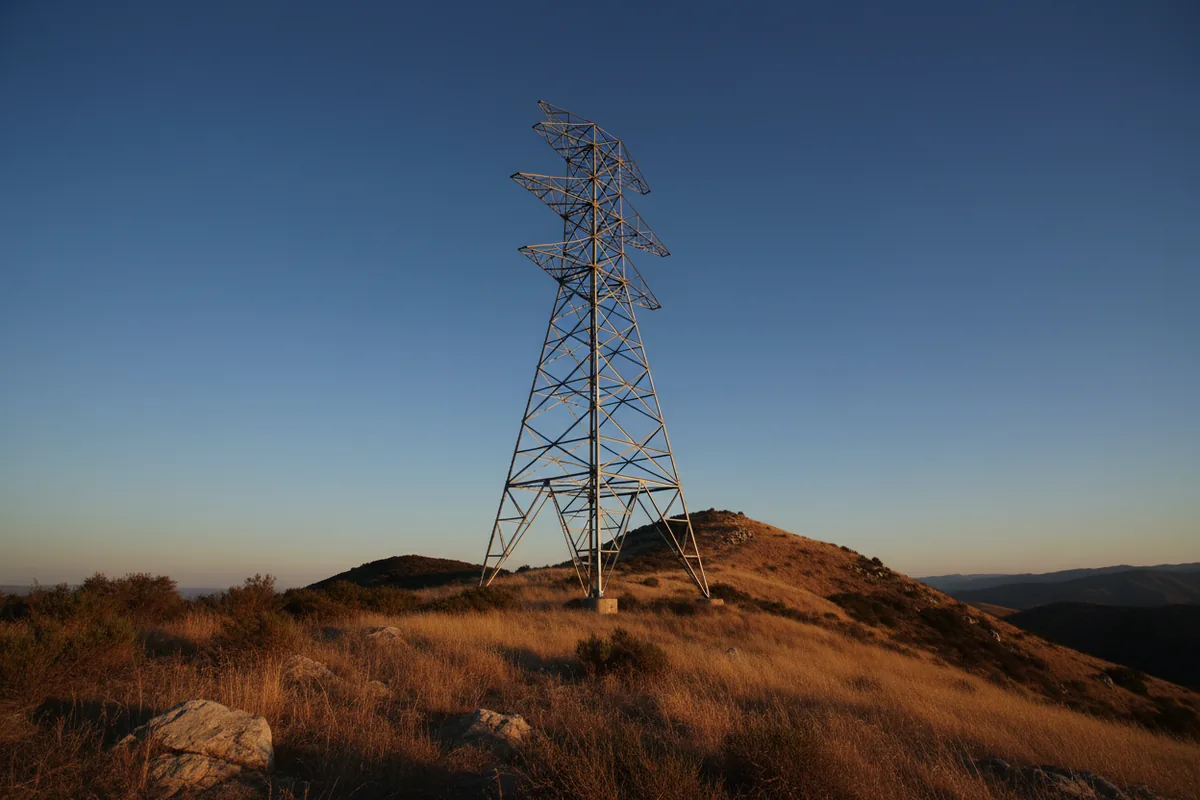
Every negligence-based fire case rests on four elements, and it helps to have them in plain words. A duty is a legal obligation to act with reasonable care toward others. A breach is a failure to meet that obligation. Causation means the breach actually brought about the harm. Damages are the losses the law recognizes as a result. In a utility case, the equipment and its upkeep are where most of the evidence on duty and breach lives.
California regulators set the frame for what utilities document. The CPUC's wildfire page describes General Order 95 as containing rules for the design, construction, maintenance, inspection, repair and replacement of overhead utility facilities, and states that its Rule 37, Table 1 addresses clearances between conductors and other structures and vegetation. The same page describes General Order 165 as establishing inspection requirements for electric distribution and transmission facilities, and states that Public Utilities Code 316 and General Order 95, Rule 19 govern the preservation of evidence for investigations of utility-related safety incidents.
Wildfire mitigation plans add another layer. According to the Office of Energy Infrastructure Safety, electrical corporations are required to prepare and submit these plans for review and approval, and the plans should describe how the corporation is constructing, maintaining and operating its lines and equipment in a manner that will minimize the risk of catastrophic wildfire. The CPUC page states that the Office of Energy Infrastructure Safety reviews and approves or denies the plans and oversees compliance, while the CPUC has enforcement authority over utilities' performance of their plans and utility-caused wildfire. A plan describes what a utility proposed; whether it was followed at a particular location is a factual question.
The CPUC page also describes protective equipment, such as circuit breakers, reclosers and fuses, and states that during dry conditions in high fire-threat areas, utilities modify those settings to shut off power faster when the system detects a potential problem.
Records that usually matter on the equipment side include inspection logs, maintenance work orders, vegetation clearance records and compliance filings. If you lost a home or were hurt, the records families often gather on their own side include photos or video of the equipment and the area before and after the fire, an origin-and-cause report once released, utility billing and service records, and any notices received about outages in the days around the fire.