
Skip to content

The resource library

What Happens After You Submit a Wildfire Claim Inquiry

Updated November 11, 2026

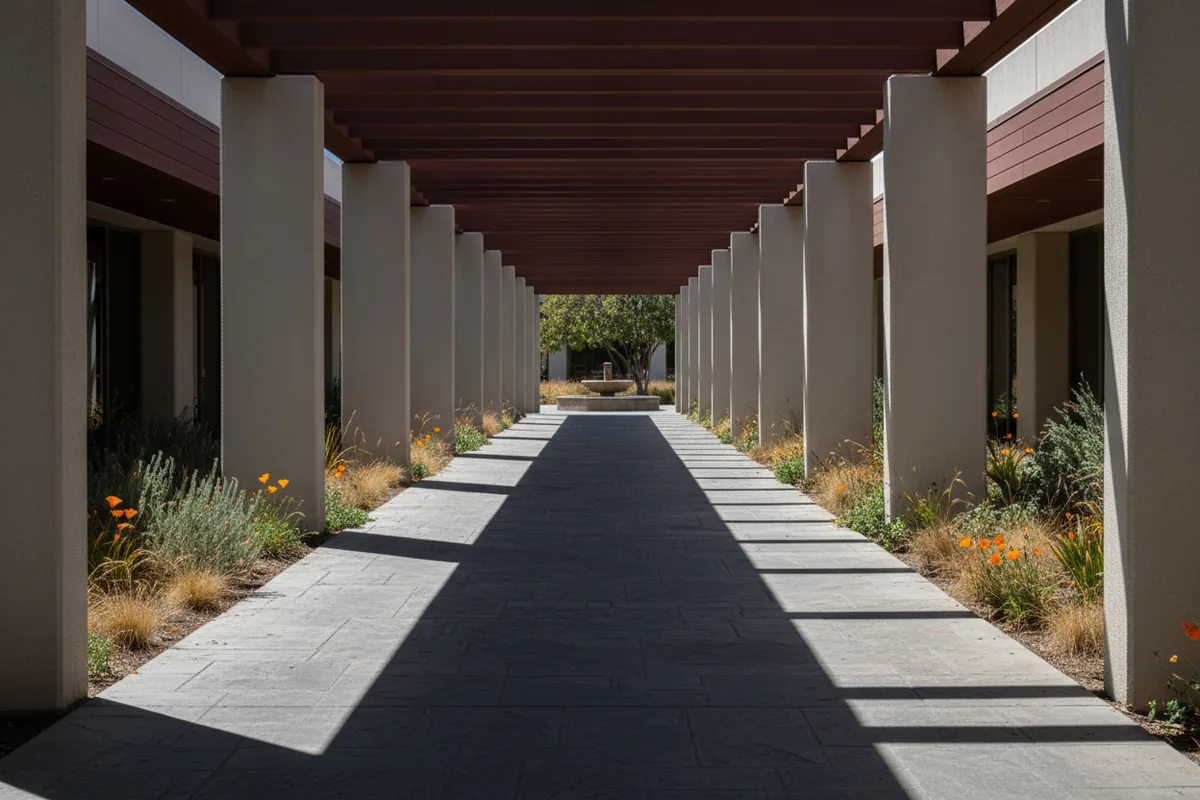
A shaded exterior walkway at a California professional building, calm and empty at midday.
Immediate answer

After a California wildfire claim inquiry: how it is read and conflict-checked, what a follow-up covers, which records matter, and when representation begins.

On this page
  1. What Happens to Your Inquiry When It Is First Reviewed
  2. Why the Fire, the Property, and the Loss All Matter to the Review
  3. What a Follow-Up Conversation Can Cover
  4. If You Are Asked for Records Before a Decision Is Made
  5. What a Signed Agreement Does and Does Not Decide
  6. Questions Worth Asking Before You Decide Whether to Continue
  7. Frequently asked questions
  8. Sources

After you submit a wildfire claim inquiry, the information you sent is read and checked against the fire, the property and whether California Wildfire Litigation Group can help, including a conflict check. A follow-up and a request for records may come next. Nothing is promised, and at this firm representation begins only with a signed agreement.

Most people facing this moment have already lived through the worst of it: an evacuation order in the middle of the night, a home that burned or was left smoke-damaged, weeks in a hotel or with relatives, and a growing stack of letters from an insurance company. Sending an inquiry about a California wildfire loss can feel like dropping a note into silence. You may be wondering whether anyone read it, what happens to the details you shared, and whether you have just committed yourself to something you do not fully understand.

This page walks through each step in order, in plain words: the first review, why the fire and the property matter, what a follow-up may cover, which records can come up, what a signed agreement decides, and the questions families often bring to the table.

What Happens to Your Inquiry When It Is First Reviewed

The first step is simple to describe: the information you submitted is read. That reading is aimed at a few practical questions. Which fire is this? Where was the property, and does that location line up with what is known about that fire? What kind of loss is described? And is this a matter California Wildfire Litigation Group can help with at all?

Alongside those questions, a conflict check is run. A conflict check is a search of the firm's own records to see whether it already has a relationship with another person or company involved in the same events that would prevent it from helping you. It is a routine part of intake at any law practice, and it happens before anyone discusses the details of a claim in depth. It is not a judgment about you or your loss.

An inquiry does not promise a call, an evaluation or representation. It starts a reading of what you sent, nothing more. For someone waiting on answers, that can feel unsatisfying, but it also means that filling out a form has not given anything up or agreed to anything.

Families often wonder whether they said enough. An inquiry does not have to tell the whole story. The name of the fire, the address or general area of the property, and a short description of what was lost and what the insurer has said so far usually make a meaningful first reading possible. If you remember something later, or a new letter arrives from your insurer, you can add to what you sent. If you are unsure what happens to your information, that is a question you can raise at any step, including right at the start.

Why the Fire, the Property, and the Loss All Matter to the Review

A wildfire claim is built on facts that connect three things: a specific fire, a specific property and a specific loss. An evaluation looks at the fire event, where the property sat relative to that fire, what was lost or damaged, and how the insurer has responded so far.

The fire comes first because everything else hangs on it. Large California wildfires are tracked by name, date and location, and the fire's documented path helps show whether a home, a business or land was in the area it reached. A property miles outside the burn area raises different questions than one inside it, and smoke or ash damage can raise questions of its own.

The nature of the loss shapes the rest. Some families lost the structure itself. Others lost contents, landscaping or trees, or a business's ability to operate. Many paid out of pocket for hotels, meals and travel during an evacuation, often called additional living expenses. Some people also describe health effects from smoke or from the stress of the fire and its aftermath. Each kind of loss can involve different records and different questions.

The insurer's response matters because many wildfire claims begin as insurance claims. A denial letter, a partial payment, a request for more proof or a dispute over what the policy covers can all become part of the picture. If you were affected, the records that usually come up at this stage include the insurance policy and its declarations page, letters and emails from the insurer, photos and video of the property before and after the fire, and evacuation records such as notices, receipts and hotel bills. Many families have only some of these, especially after losing a home, and missing papers are common.

If your loss involved a business, the wildfire business loss claims page explains how those records differ.

What a Follow-Up Conversation Can Cover

If the first reading suggests there is something worth discussing, a follow-up may come by the contact method you chose when you sent the inquiry. A follow-up is possible, not promised, and its timing is not fixed.

When it happens, the conversation is a two-way exchange. On one side, it may cover the fire and how it reached your property, the loss in more detail, what your insurer has said or done, and the legal theories that can come up in California wildfire claims. On the other side, it is your chance to ask questions: what the process looks like, what a claim of this kind involves, and what the firm would need to understand before anyone decides anything.

Both sides are still deciding at this stage. California Wildfire Litigation Group is working out whether it can help with this particular loss. You are working out whether you want to continue. A follow-up does not commit you, and it does not mean the firm has agreed to take the matter. For a family weighing whether to go further, that means a conversation can be a way to gather information, and walking away afterward is an ordinary outcome, not a failure.

Some people go into a follow-up with notes written down beforehand: the date they evacuated, when they first saw the damage, the names of adjusters they spoke with, and the dates of the insurer's letters. Others simply talk it through. Either way works. The page on preparing for your first consultation describes the kinds of details families often bring. A question that comes to mind later can be raised afterward, too.

If You Are Asked for Records Before a Decision Is Made

As a matter moves forward, the firm may ask to see certain records. The ones most often requested in a wildfire claim are the insurance policy, the insurer's correspondence, and any denial, partial-payment or underpayment notices. Photos, video and evacuation records can also come up if they were not discussed earlier.

These documents matter because they show what was promised and what has happened since. Your policy is the record of the coverage you bought, which is what any dispute with the insurer is measured against. The insurer's letters to you show how your claim has been handled, what has been paid and what has been refused. A denial or underpayment notice often states the insurer's reasons, which can shape the legal questions that follow. Together, these papers help both sides see whether the facts support a claim and what kind of claim it might be.

Sharing records is not a commitment to representation. A request for documents is part of deciding, not a sign that a decision has been made. You remain free to stop at any point, and the firm has not agreed to represent you simply because it asked to see a policy or a letter.

For many families, the difference between sharing records and signing an agreement is the part that causes the most worry. Sending a copy of a declarations page to help answer a question is one thing. A signed representation agreement is something else, described in the next section. If you are unsure which of these a particular request is, asking is part of the process.

Families who lost everything in a fire often have no paper copies left. Insurers usually keep copies of a policy, and emails and online accounts sometimes hold what the fire destroyed. Gaps in the records are common and do not by themselves end a conversation.

What a Signed Agreement Does and Does Not Decide

At California Wildfire Litigation Group, representation begins only with a signed written agreement. That is this firm's practice. Until that agreement exists, this firm does not represent the reader.

When an attorney in California agrees to represent someone for a contingency fee, meaning a fee that depends on the outcome of the claim, state law sets out what the agreement must contain. Under section 6147 of the California Business and Professions Code, the attorney "shall, at the time the contract is entered into, provide a duplicate copy of the contract, signed by both the attorney and the client, or the client's guardian or representative, to the plaintiff, or to the client's guardian or representative." The statute requires the contract to be in writing and to include, but not be limited to:

  • a statement of the contingency fee rate the client and attorney have agreed upon;
  • a statement of how disbursements and costs incurred in prosecuting or settling the claim will affect the fee and the client's recovery;
  • a statement of to what extent, if any, the client could be required to pay the attorney for related matters arising out of their relationship that the contingency fee contract does not cover;
  • unless the claim is subject to Section 6146, a statement that the fee is not set by law but is negotiable between attorney and client; and
  • if the claim is subject to Section 6146, a statement that the rates in that section are the maximum limits for the agreement, and that the attorney and client may negotiate a lower rate.

The same section provides that failure to comply with any of its provisions "renders the agreement voidable at the option of the plaintiff," in which case the attorney is entitled to collect a reasonable fee. It does not apply to contingency fee contracts for recovering workers' compensation benefits.

What a signed agreement decides is the relationship: who represents whom, and on what written terms. What it does not decide is the outcome. A result is not assured by signing, and nothing about an agreement predicts what a claim may lead to.

Questions Worth Asking Before You Decide Whether to Continue

When a family reaches the point of deciding, the questions that tend to matter most fall into three groups: the legal theories, the time limits, and what happens after an agreement. Knowing which of these applies to a particular loss is often what makes the decision about continuing clearer.

The legal theories come first, and a few terms come up again and again in California wildfire claims. Negligence means a failure to use reasonable care that causes harm. For a family whose home burned, a negligence claim generally asks whether someone had a duty, breached it, and caused that loss, so the facts about how the fire started and reached the property carry much of the weight. Utility liability refers to claims that an electric utility's equipment or practices played a role in starting or spreading a fire. Whether that is so in any fire depends on the facts and the official findings, which is why the specific fire behind your loss matters so much. Inverse condemnation is a claim that private property was damaged by a public project or public service, and that the property owner is owed payment for that damage even without a separate showing of fault. Whether it applies depends on who was involved and how the fire started, so the same burned home can raise different questions depending on the source of the fire. The page on a utility wildfire lawsuit explains these theories in more depth.

Time limits come next. The law allows a set period for bringing a claim, known as a statute of limitations, and if your claim involves a public entity, it can carry its own earlier notice requirements. Which limits apply, when they start to run, and what exceptions may exist all turn on the kind of claim and who it is against. That cannot be answered from a general page; a conversation with an attorney can help sort out which of these rules are in play for a particular fire and property. The guide to claims for a past wildfire describes how these periods work.

Finally, families often ask what the process looks like once an agreement is signed: what happens with the insurer, how information is shared, and how decisions are made along the way.

If you are at this point and want to talk these questions through with our attorney, you can request a case evaluation about your wildfire loss.

Free case evaluation

No Fee Unless We Win Your Case

A free case evaluation is how it starts. Tell us what happened, and we’ll help you understand your options. You pay no fee unless we win your case.

California Wildfire Litigation Group

How it works

  1. Call us or request a free case evaluationTell us what happened, in your own words.
  2. Talk through your caseYour options, and what your case may be worth.
  3. No fee unless we winYou pay no attorney fee unless we win your case.
Free case evaluation

Tell Us What Happened

Frequently asked questions

Does submitting an inquiry mean I have hired an attorney?

No. Submitting an inquiry does not promise a call, an evaluation or representation. At California Wildfire Litigation Group, a client relationship starts only after both sides have chosen to go forward and put their terms in writing and signed them.

Can I ask questions during the review process?

Yes. You can ask questions at any step, from the moment you submit an inquiry through any follow-up or request for records. The process is a two-way exchange, and neither side is committed until there is a written, signed agreement.

How long does the review process take?

No specific timeframe is promised. How long a review takes depends on what information was provided, how clearly the fire and property can be identified, and how involved the loss and the insurer's response are. A follow-up, if one comes, has no fixed timing.

What records does a wildfire claim review typically look at?

The records that usually inform a wildfire claim review include the insurance policy, letters and emails from the insurer, any denial or underpayment notices, photos and video of the property before and after the fire, and evacuation records such as notices and receipts. Many families have only some of these.

What should people do after a wildfire?

There is no single list that fits every family. Many people affected by a wildfire keep their insurance policy, the insurer's letters, photos and video of the property, and evacuation receipts, because these records often come up later. The broader common questions about wildfire claims page covers other issues families raise.

What is a contingency fee agreement under California law?

It is a fee agreement in which the attorney's fee depends on the outcome. Section 6147 of the California Business and Professions Code requires it to be in writing, signed by both sides, and to state the agreed fee rate, how costs affect the fee and recovery, and related terms the statute lists.

What legal theories apply to California wildfire claims?

Common theories include negligence, a failure to use reasonable care that causes harm; utility liability, involving a utility's role in a fire; and inverse condemnation, a claim for property damaged by a public project or service. Which theory fits depends on the facts, the official findings and who was involved.

Sources

  1. 01Section 6147 of the California Business and Professions Code · California Legislative Information
CallTextFree Case Evaluation