
Skip to content

California wildfire information

Wildfire Business Loss Claims in California: What the Law Allows and What It Takes

Updated November 10, 2026

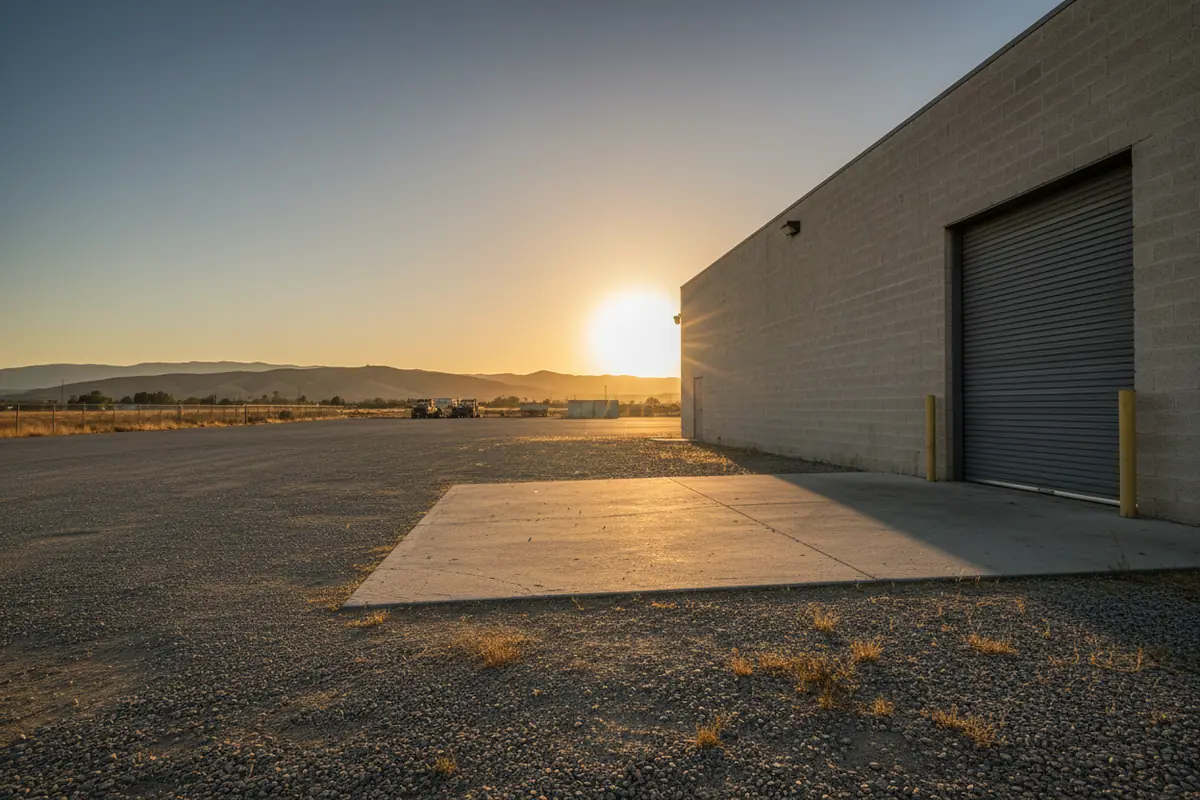
A closed warehouse on a dry California street with scorched hills behind it.
Immediate answer

How a California business can claim wildfire losses: its own policy, liability under Health and Safety Code 13007, Civil Code 3333 damages, and key records.

On this page
  1. Which Route a Business's Fire Loss May Travel
  2. When Someone Else's Fire Damages Your Business Property
  3. What a Business May Be Able to Claim for Property and Lost Income
  4. Records That Usually Matter When a Business Pursues a Claim
  5. Why the Filing Deadline Matters for a California Business
  6. Matching Each Loss to the Right Path
  7. Frequently asked questions
  8. Sources

If your California business lost a building, equipment, inventory or income to a wildfire, there are usually two separate routes to look at: a claim under the business's own commercial insurance policy, and a civil claim against a party believed to have set the fire or let it escape. California law shapes the second route, and the records you keep shape both.

Most people facing this are running a business that has stopped running. The storefront, shop or warehouse may be gone or closed, employees are asking about paychecks, suppliers still want payment, and the insurance adjuster's questions arrive before anyone knows how the fire started. If that is where you are, the questions underneath it all are usually the same: what can a business actually claim, against whom, and on what proof.

This page explains how California treats wildfire business losses, what the governing statutes say, and which records tend to matter. It describes the law in general terms; it does not decide anyone's situation.

Which Route a Business's Fire Loss May Travel

If your business is trying to recover what a fire destroyed or interrupted, the two routes above do not share rules, and the difference shapes what you gather and whom you deal with.

A first-party insurance claim is made under the business's own policy, against its own insurer. A commercial property policy may cover buildings, equipment and stock. Many commercial policies also carry business interruption coverage, which in general terms addresses income a business cannot earn because physical damage forced it to close or slow down. What any policy covers, and on what conditions, is set by that policy's own wording, its declarations page, its endorsements and its exclusions. Two policies that look alike can read very differently in the fine print.

A third-party liability claim is made against someone else whose conduct is believed to have caused the fire. California provides that civil remedy by statute, through section 13007 of the California Health and Safety Code, discussed in the next section.

An insurance claim turns on contract terms and the insurer's handling of the claim. A liability claim turns on how the fire started, who was involved and whether their conduct meets what the statute describes. The evidence, the people deciding and the timelines differ. For an owner, knowing which route a given loss belongs on is often the first piece of clarity: some losses fit one, some fit both, and some depend on facts no one has yet established. The broader workings of a California wildfire lawsuit build on this same distinction.

When Someone Else's Fire Damages Your Business Property

Section 13007 of the California Health and Safety Code states the core rule in a single sentence:

"Any person who personally or through another wilfully, negligently, or in violation of law, sets fire to, allows fire to be set to, or allows a fire kindled or attended by him to escape to, the property of another, whether privately or publicly owned, is liable to the owner of such property for any damages to the property caused by the fire."

For a business owner, the statute's wording sets what a liability claim has to point to. Responsibility can reach someone who acted personally or "through another." The conduct can be setting a fire, allowing a fire to be set, or allowing a fire someone kindled or attended to escape. And it has to be done wilfully, negligently, or in violation of law. Negligence, in plain terms, means failing to use the care a reasonable person would use. Liability runs "to the owner of such property for any damages to the property caused by the fire."

Section 3333 of the California Civil Code supplies the general measure of damages for a wrong that does not arise from a contract. Except where the Code expressly provides otherwise, it is "the amount which will compensate for all the detriment proximately caused thereby, whether it could have been anticipated or not." Detriment means loss or harm. "Proximately caused" means the law asks for a real causal link between the wrongful conduct and the harm, not a loss that is remote or speculative.

Put together, a liability claim generally has to show where and how the fire began, what a particular party did or failed to do, and how that conduct caused the business's loss. If the fire's cause is still under investigation, that is why the liability route can feel uncertain early on: its elements depend on facts that often take time to establish. The elements a claim has to show are the same whether the claimant is a homeowner or a business.

What a Business May Be Able to Claim for Property and Lost Income

If you are tallying what the fire cost your business, the categories that matter come from the two statutes above, not from any special business rule. Section 13007 reaches damages to property caused by the fire, and section 3333 measures damages by the detriment proximately caused. Two broad kinds of loss usually come up.

Physical property loss is the most visible. For a business, it can include the building or the leasehold space, machinery and equipment, fixtures, furniture, vehicles kept on site, and inventory or stock destroyed or damaged by flame, heat or smoke. Whether a business is the "owner" of a particular item for purposes of section 13007 is a factual question, which matters for tenants, landlords and businesses holding goods that belong to others. The question of who can bring a claim looks at ownership more closely.

Lost income is the second category. It refers to revenue the business could not earn because the fire's physical impact closed it, cut off access, or destroyed what it needed to operate. Section 3333's reach to "all the detriment proximately caused" is the language usually examined here. How far that reaches depends on the facts and on how clearly the lost income connects back to the fire.

None of this describes what any business will receive. What the law may allow depends on whether liability is established, whether the loss is causally linked to the fire, and whether the loss can be shown with records. For an owner still counting losses, the last point tends to carry the most practical weight, because a loss that cannot be documented is hard to measure. An attorney conversation can help sort out which losses fall into which category.

Records That Usually Matter When a Business Pursues a Claim

A business's losses are measured largely against its own paperwork, and each kind of record proves something different.

Financial statements, such as profit-and-loss statements and balance sheets, show how the business was performing before the fire. Those pre-fire numbers are the baseline against which lost income is usually measured. Tax returns matter for a related reason: they are an independent record of income, prepared before anyone had a reason to argue about it.

Inventory records help show what was on hand and what it cost. Purchase orders, stock counts, supplier invoices and point-of-sale data can each fill in part of that picture. Payroll records show who worked for the business, what they were paid, and how operations changed after the fire, which bears on both the scale of the interruption and ongoing expenses.

The commercial insurance policy itself is central to any first-party claim. That means the full policy, not only a summary: the declarations page, the coverage forms and every endorsement. What the policy says decides what the insurer has agreed to pay for.

Photos, video and written records of the physical damage help show what the fire did to the property. Images taken before the fire, such as old listing photos, social media posts or inspection reports, can show what existed beforehand.

If your records were in the building, it can feel as though the proof burned along with everything else. Many business records also exist with an accountant, a bank, a payroll service, suppliers or cloud accounts, and those copies are often part of rebuilding the file.

Why the Filing Deadline Matters for a California Business

A statute of limitations is a law that sets the time within which a lawsuit must be filed. For many wildfire business claims, the relevant California provision is section 338 of the California Code of Civil Procedure, which provides that certain actions must be brought "within three years."

Three of the actions it lists bear directly on wildfire business loss. Subdivision (a) covers "an action upon a liability created by statute, other than a penalty or forfeiture." Subdivision (b) covers "an action for trespass upon or injury to real property," meaning land and buildings. Subdivision (c)(1) covers "an action for taking, detaining, or injuring goods or chattels," which in plain terms means movable property such as equipment and inventory. A business that lost a building and its contents may find its losses touching more than one of these.

When a period begins to run can depend on the facts of the loss, and other rules can apply to particular defendants or situations. The broader picture of California wildfire claim deadlines covers several of them.

What is at stake is simple and serious. A claim filed after the applicable deadline may be barred, however strong its merits. That is true even when the business spent the intervening time rebuilding, dealing with its insurer or waiting for an investigation into the fire's origin. The deadline does not pause because the work of recovery is hard. A conversation with our attorney can help clarify which limitation periods may apply to a business's particular losses and what dates matter in that analysis. If that would be useful, you can request a case evaluation.

Matching Each Loss to the Right Path

For many owners the question at this stage is which path fits which loss, and there is rarely one answer for the whole business.

On the insurance side, the limits come from the policy and from California's rules for how insurers handle claims. Proof of who started the fire is not required, but some losses may fall outside the policy's coverage, conditions or exclusions, or exceed its limits. Those gaps are where the liability side may matter.

On the liability side, the open question is the fire's origin, and it is answered by evidence rather than assumption. Until it is answered, an owner may know what was lost without yet knowing whether section 13007 reaches anyone for it.

In some situations both paths may be pursued at the same time, one against the insurer and one against a party believed responsible. How they interact, including how an insurance payment may bear on what remains, is a fact-specific question.

Outside help can also enter the picture. The U.S. Small Business Administration's disaster assistance page describes federal disaster loans available to businesses of all sizes in declared disaster areas for losses not fully covered by insurance or other sources, and notes that insurance proceeds on business property may be deducted from the eligible loan amount. A loan is borrowed money to be repaid, not a recovery of the loss, which matters if you are weighing it against the other paths.

A conversation with our attorney can cover the known facts about where and how the fire began, which of these paths may apply to which losses, and how the three-year periods in section 338 bear on the timing.

Free case evaluation

No Fee Unless We Win Your Case

A free case evaluation is how it starts. Tell us what happened, and we’ll help you understand your options. You pay no fee unless we win your case.

California Wildfire Litigation Group

How it works

  1. Call us or request a free case evaluationTell us what happened, in your own words.
  2. Talk through your caseYour options, and what your case may be worth.
  3. No fee unless we winYou pay no attorney fee unless we win your case.
Free case evaluation

Tell Us What Happened

Frequently asked questions

What is a business casualty loss?

It is damage to or destruction of business property, such as structures, equipment or inventory, caused by a sudden event like a wildfire. Where another party's conduct caused the fire, California Civil Code section 3333 measures damages by the detriment proximately caused. Whether a particular loss fits depends on the facts.

What kinds of losses can a California business claim after a wildfire?

Physical property damage and lost income are the two broad categories. Health and Safety Code section 13007 creates liability for fire damage to property, and Civil Code section 3333 measures damages by all detriment proximately caused. What the law may allow depends on liability, causation and what can be documented.

How long does a California business have to file a wildfire claim?

Code of Civil Procedure section 338 sets three years for several relevant actions, including injury to real property, injury to goods or chattels, and a liability created by statute. When the period begins can depend on the facts, and other rules may apply to particular defendants.

Does a business's commercial insurance cover wildfire damage?

That depends on the policy. Commercial property and business interruption coverage are governed by each policy's own wording, declarations page, endorsements and exclusions. Two similar-looking policies can treat the same wildfire loss differently, so the full policy is usually the starting point.

What records matter most when a business files a wildfire loss claim?

Financial statements, tax returns, inventory records, payroll records, the full commercial policy, and photos or video of the damage usually matter most. Together they show pre-fire income, the scope of property loss, and the connection between the fire and the loss.

Can a California business pursue both an insurance claim and a civil liability claim?

In some situations, yes. A first-party claim under the business's own policy and a liability claim under Health and Safety Code section 13007 rest on different rules. Whether both apply depends on the fire's origin and the policy's terms.

Sources

Statutes, regulations and court sources

  1. 01California Health and Safety Code section 13007 · California Legislative Information
  2. 02California Civil Code section 3333 · California Legislative Information
  3. 03California Code of Civil Procedure section 338 · California Legislative Information

Other sources

  1. 04SBA disaster assistance (U.S. Small Business Administration) · sba.gov
CallTextFree Case Evaluation