Skip to content

California wildfire information

Wildfire Insurance Claim Disputes in California: What Policyholders Can Do

Updated November 10, 2026

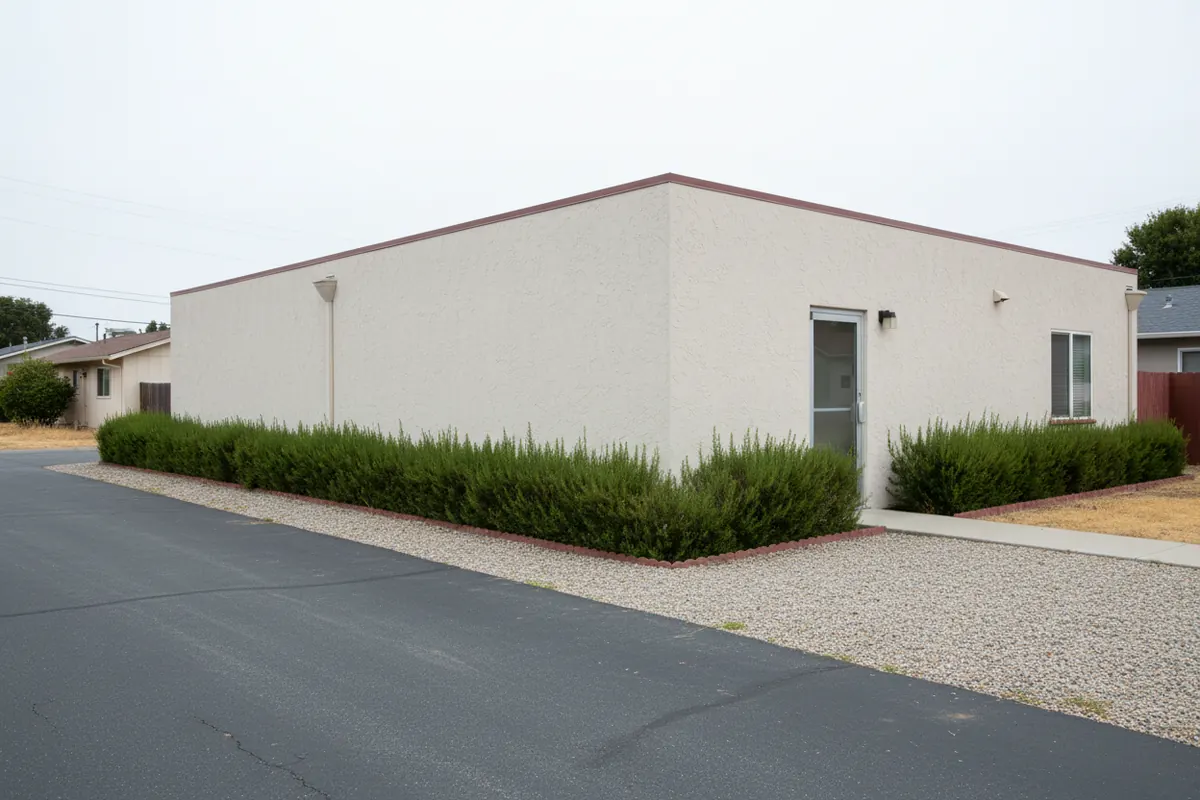
A low stucco insurance office building behind a gravel forecourt on a quiet California street.
Immediate answer

When a California wildfire claim stalls: the 100-day proof-of-loss floor, 36 months to collect replacement cost, and your rights in an examination under oath.

On this page
  1. When a Wildfire Claim Turns Into a Dispute
  2. If Your Claim Is Stalled, These Deadlines Protect Your Right to Full Replacement Cost
  3. If Your Insurer Asks for an Examination Under Oath
  4. If You Are Thinking About Suing: The Standard Fire Policy's Time Limit
  5. Other Routes When a Claim Stalls
  6. What a Stalled Claim Record Can Show
  7. Before Accepting a Settlement Offer or Signing a Release
  8. Frequently asked questions
  9. Sources

When a wildfire claim is delayed, underpaid or denied in California, state law sets firm protections. After a declared state of emergency, an insurer cannot require proof of loss sooner than 100 days after the fire. Policyholders get at least 36 months from the first actual cash value payment to collect full replacement cost, and defined rights during an examination under oath.

Most people facing a stalled wildfire claim are already worn down. The house is gone or damaged, the family is living somewhere temporary, and the adjuster's answers keep shifting. Then a letter arrives with a smaller number than expected, or with a request that sounds like an interrogation. This page explains what California law says at each of those pressure points and which records usually matter when a claim turns into a dispute. No insurer is named here, because the rules apply to every residential property insurer writing policies in California.

When a Wildfire Claim Turns Into a Dispute

A claim dispute is a disagreement between a policyholder and their insurer about whether a loss is covered, how much is owed, or how long the process is taking. After a wildfire it usually takes one of three forms.

The first is a denial: the insurer says the policy does not cover some or all of the loss. The second is underpayment: the insurer accepts the claim but pays less than the policyholder believes the policy provides, for example on the dwelling, its contents or living costs. The third is unreasonable delay: documents are requested again and again, adjusters change, and decisions do not come.

How a dispute resolves can decide whether a home gets rebuilt, whether belongings are replaced and how long a family can keep paying for temporary housing. For residential property policies issued in California, California law governs these disputes, including the Insurance Code sections discussed below. Our separate page on wildfire home damage claims explains how the insurance claim fits alongside other possible routes after a fire.

Underinsurance, where the policy limit itself falls short of the cost to rebuild, is a different problem from a dispute over what the policy promises. It is covered on its own page on this site.

If Your Claim Is Stalled, These Deadlines Protect Your Right to Full Replacement Cost

A proof of loss is the formal written statement a policyholder submits to document what was damaged or destroyed and what it is worth. Insurers rely on it to evaluate a claim, and policies often set a time for it.

Section 2051.5 of the California Insurance Code limits how short that time can be after a disaster. In the event of a loss relating to a "state of emergency," as defined in section 8558 of the Government Code, "an insurer shall not require the insured to provide proof of loss less than 100 days after the loss." In practical terms, a family displaced by a declared emergency fire is not expected to complete a full accounting of their loss within weeks.

The same section sets out how replacement cost is paid. Under a policy that pays replacement cost, the measure is what it would cost to repair, rebuild or replace the property without a deduction for physical depreciation, or the policy limit, whichever is less. If the policy requires the insured to actually repair, rebuild or replace before collecting full replacement cost, the insurer pays the actual cash value first. Once the work is done, it pays the difference between that payment and the full replacement cost reasonably paid, up to the policy limits. Put simply, the first check is often not the last one.

The time to collect that difference is protected. Generally, an insurer cannot place a time limit of less than 12 months, counted from the date the first actual cash value payment is made. For a loss relating to a state of emergency, the floor is 36 months from that first payment, subject to the policy limit. An insurer may allow more time. It must also grant one or more additional six-month extensions for good cause, if the insured is acting in good faith and with reasonable diligence and runs into delays beyond their control in approval for, or reconstruction of, the home. The statute names, among other examples, unavoidable construction permit delays, a lack of necessary construction materials and the unavailability of contractors.

For a family waiting on permits or a builder, these dates can decide whether replacement-cost benefits are still within reach. The facts that shape any timeline are whether a state of emergency covered the fire, when the first actual cash value payment was made and whether an extension was requested or granted. Families in this position often gather the payment records, any permit or contractor correspondence that shows delays, and copies of any extension request, and then ask the insurer in writing what date it is using as the start of the replacement-cost period.

If Your Insurer Asks for an Examination Under Oath

An examination under oath is a formal recorded statement an insurer may request from a policyholder as part of its investigation. It is given under oath, often with a court reporter present, and it can feel far more serious than a phone call with an adjuster.

Section 2071.1 of the California Insurance Code lists rights that belong to each insured who is asked to give one. The section applies to property policies with an examination provision that were originated or renewed on and after January 1, 2002. Among those rights:

  • An insurer that decides to conduct the examination must notify the insured and include a copy of section 2071.1 with the notice.
  • The examination may cover only information relevant and reasonably necessary to process or investigate the claim.
  • It may be held only on reasonable notice, at a reasonably convenient place and for a reasonable length of time.
  • The insured may be represented by counsel and may record the whole proceeding.
  • On request and free of charge, the insurer must provide a copy of the transcript and any audio or video recording. It must provide them within 10 business days after it or its counsel receives them, and the insured may make sworn corrections to the transcript.
  • The insured may make any objection that could be made in a deposition under state or federal law. But if an objection leaves a material question unanswered, and that prevents the insurer from determining the extent of loss and validity of the claim, the insured's rights under the policy may be affected.
  • An insured who submits a fraudulent claim may face all applicable criminal and civil penalties.

What is said under oath becomes part of the claim file and can shape the insurer's decision. A family that receives this kind of notice may want to consider talking with an attorney about what the examination involves before it takes place.

If You Are Thinking About Suing: The Standard Fire Policy's Time Limit

A time-to-sue clause, sometimes called a suit limitation, is a contractual deadline written into the policy by which any lawsuit against the insurer must be filed. Even a policyholder who believes a claim was wrongly denied can lose the right to sue if that period passes.

Section 2071 of the California Insurance Code adopts "the standard form of fire insurance policy for this state." It insures, among other things, against "all loss by fire, lightning and by removal from premises endangered by the perils insured against," up to the actual cash value at the time of loss. That value cannot exceed what it would cost to repair or replace the property with material of like kind and quality within a reasonable time. The standard form's conditions, including its requirements after a loss and its suit limitation, are part of the section's full text and are carried into California fire policies. For a policyholder, this means the rules about what must happen after a loss, and how long there is to sue, are usually already printed in their own policy.

How long the period runs, when it starts and whether a longer period applies all turn on the policy's terms and on whether the loss related to a declared state of emergency. This page does not state how much time any reader has, and no general explanation can show whether a particular deadline has passed. Because a missed deadline can end the right to sue regardless of the merits, families often locate the time-to-sue language in the conditions section of their policy and note the dates of the fire, any emergency declaration and each written decision from the insurer. Those dates are what fix the actual period, and they are the first thing an attorney reviewing the claim will ask about. Our page on wildfire lawsuit attorney questions explains the separate filing periods for claims against those who may be responsible for a fire itself.

Other Routes When a Claim Stalls

A lawsuit is not the only path a dispute can take. Three others come up often, and each is described here in general terms only.

The Department of Insurance. The California Department of Insurance wildfire resources page states that policyholders with "a question about your insurance or a dispute with your insurance company" may call the Department at 1-800-927-4357 or use its Consumer Hotline Chat. The same page lists guides for wildfire claimants, including a Residential Property Claims Guide and a Home Inventory Guide. It also says the Department "strongly suggests people take their time when considering a contract for public adjuster" and urges consumers to check a public adjuster's license.

Appraisal. Many property policies contain an appraisal provision, a process for resolving disagreements over the amount of a loss outside of court. Whether a policy contains one, and what it covers, depends on its terms, so the policy itself is the place to look.

Bad faith. When an insurer's handling of a claim, not just the amount, is the problem, policyholders sometimes raise questions of bad faith. Whether conduct such as repeated delay or shifting explanations could support that kind of claim depends on the specific facts and is a question for an attorney.

What a Stalled Claim Record Can Show

Whether a dispute is resolved inside the insurer's process, through the Department or in court, there is a paper trail. The records that typically matter include:

  • The complete policy, with the declarations page and any endorsements, since the policy defines what is covered and on what conditions.
  • The insurer's written reasons for any denial or underpayment, which show what the insurer relied on.
  • A log of every call, email and letter with the insurer, with dates and the names of the people involved.
  • Written estimates, adjuster reports and inventories the insurer provided, along with the dates of any actual cash value payments.
  • Any request for a proof of loss or an examination under oath, and any extension request and the response.

People in this situation often find that the log is the piece they wish they had started sooner. A dated record shows how long each step took, whether the insurer's stated reasons changed, and when payments were made, which matters for the replacement-cost period under section 2051.5. When the records sit in several inboxes and folders, a conversation with an attorney can help a family organize what they have.

Before Accepting a Settlement Offer or Signing a Release

A settlement offer is the insurer's proposal to resolve a claim for a stated amount. A release is a legal document that, when signed, typically ends the policyholder's right to make further claims for the same loss. The two often arrive together, and the release is the part with lasting effect.

An offer may not reflect the full replacement cost or every covered category of loss. As explained above, section 2051.5 allows the replacement-cost difference to be collected after rebuilding, within the protected period. A release that is broader than the policyholder realizes could reach benefits that have not been collected yet.

Families looking at an offer often weigh a few questions. What exactly does the release cover: the dwelling, contents, living expenses or all of them? Does it mention replacement-cost holdback amounts still to come? Does the payment match the insurer's own written estimates? Settlement offers have their own page on this site, and our page on how wildfire claims end describes the ways a claim can conclude.

Signing, or not signing, is the policyholder's decision alone. Policyholders who would like to talk through what a particular release reaches before deciding can request a case evaluation and discuss the document with our attorney.

Free case evaluation

No Fee Unless We Win Your Case

A free case evaluation is how it starts. Tell us what happened, and we’ll help you understand your options. You pay no fee unless we win your case.

California Wildfire Litigation Group

How it works

  1. Call us or request a free case evaluationTell us what happened, in your own words.
  2. Talk through your caseYour options, and what your case may be worth.
  3. No fee unless we winYou pay no attorney fee unless we win your case.
Free case evaluation

Tell Us What Happened

Frequently asked questions

What can a California policyholder do when an insurer delays or denies a wildfire claim?

California law sets protections that apply after a declared state of emergency, including a 100-day floor for proof of loss and at least 36 months to collect replacement cost under Insurance Code section 2051.5. Policyholders in a dispute often rely on the policy itself, the insurer's written reasons and a dated record of every contact.

How long does a California policyholder have to file a lawsuit against their insurer after a wildfire?

The time to sue comes from the suit limitation in the standard fire policy that Insurance Code section 2071 adopts, as carried into the policy's conditions. The applicable period depends on the facts of the loss, including whether a state of emergency was declared. This page cannot say how much time any reader has.

What is an examination under oath in a wildfire insurance claim?

It is a formal recorded statement an insurer may request as part of its investigation. Insurance Code section 2071.1 gives the insured rights, including reasonable notice and place, questions limited to relevant information, the right to counsel and to record, and a free transcript on request.

What is a proof of loss and when does it have to be submitted after a wildfire?

A proof of loss is the formal written statement documenting the loss. For a loss relating to a state of emergency, Insurance Code section 2051.5 bars an insurer from requiring proof of loss less than 100 days after the loss.

Does a state of emergency declaration change a policyholder's rights in a wildfire insurance dispute?

Yes. Under Insurance Code section 2051.5, it sets the 100-day proof-of-loss floor and extends the minimum time to collect full replacement cost from 12 to 36 months after the first actual cash value payment. Six-month extensions are also available for good cause.

What records typically matter in a wildfire insurance claim dispute?

The records that typically matter are the full policy, the insurer's written denial or underpayment explanation, a dated log of every contact, any adjuster reports and estimates, and the dates of actual cash value payments.

What does a wildfire insurance release cover, and why does it matter before signing?

A release typically ends the right to make further claims for the same loss. It may reach more than a family expects, including replacement-cost benefits not yet collected. A conversation with an attorney can cover what a specific release says.

Sources

Statutes, regulations and court sources

  1. 01California Insurance Code § 2051.5 · California Legislative Information
  2. 02California Insurance Code § 2071.1 · California Legislative Information
  3. 03California Insurance Code § 2071 · California Legislative Information

Other sources

  1. 04Resources to Help Recent Wildfire Victims — California Department of Insurance · insurance.ca.gov
CallTextFree Case Evaluation