Skip to content

The resource library

Who Can Bring a Wildfire Claim in California

Updated November 10, 2026

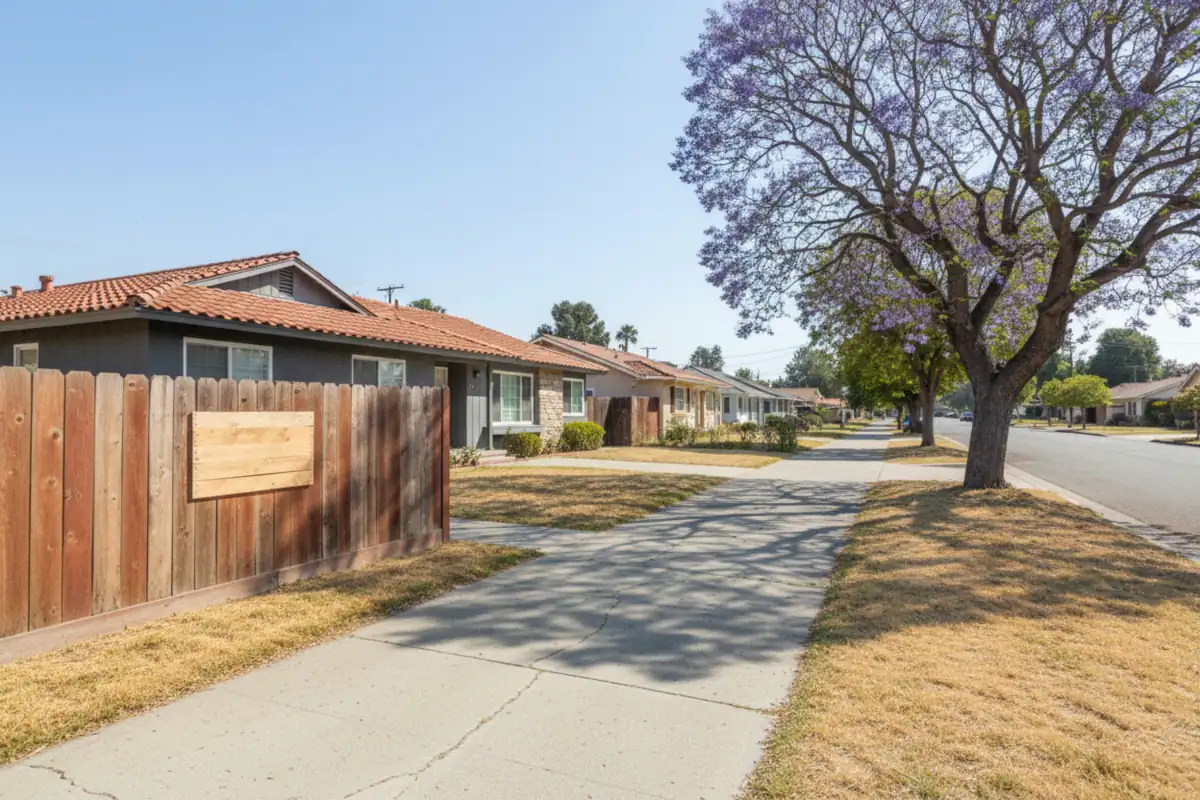
A California residential street with mixed homes under a jacaranda tree's shade.
Immediate answer

Who can bring a California wildfire claim: what Civil Code 1714(a) and Health and Safety Code 13007 say, how owners, renters and families fit, and which facts matter.

On this page
  1. How a Wildfire Claim Differs From Insurance and Aid
  2. What Has to Be Shown for a Wildfire Claim
  3. Whether You Can Bring a Claim as an Owner, Renter or Family Member
  4. Which Wildfire Losses the Law Recognizes
  5. What the Fire's Date and Origin Mean for a Claim
  6. Records and Information That Typically Matter in a Wildfire Claim
  7. What Talking With an Attorney Can Help You Sort Out
  8. Frequently asked questions
  9. Sources

If a wildfire damaged your home, business or belongings, injured you, or took someone you love, California law does not limit a claim to one kind of person. Homeowners, renters, business owners, injured people and families after a death may each have a path. Whether one exists turns on the fire's cause and what was lost.

Most people facing this question are standing in the middle of something enormous: a house that is gone or smoke-damaged, a business that cannot open, a hospital stay, or a funeral. Insurance adjusters, aid applications and news about the fire's cause all arrive at once, and it is hard to tell which of them has anything to do with a legal claim. This page explains, in plain words, what a California wildfire claim is, who the law allows to bring one, and which facts usually decide the answer.

How a Wildfire Claim Differs From Insurance and Aid

A civil claim is a legal action a person brings to hold a responsible party accountable for losses that party caused. It is different from an insurance claim, which runs under the terms of a policy, and different from a criminal case, which the government brings. It is also different from disaster aid.

Two California statutes form the base of most wildfire claims. The first is section 1714(a) of the California Civil Code, which says that "[e]veryone is responsible, not only for the result of his or her willful acts, but also for an injury occasioned to another by his or her want of ordinary care or skill in the management of his or her property or person," except where the injured person, willfully or by want of ordinary care, brought the injury on himself or herself (Cal. Civ. Code § 1714). Put plainly, people answer for harm caused by carelessness with their property.

The second is fire-specific. Section 13007 of the California Health and Safety Code provides that "[a]ny person who personally or through another wilfully, negligently, or in violation of law, sets fire to, allows fire to be set to, or allows a fire kindled or attended by him to escape to, the property of another, whether privately or publicly owned, is liable to the owner of such property for any damages to the property caused by the fire" (Cal. Health & Saf. Code § 13007). For a family, this means a fire that escaped from someone else's land or equipment is something the law speaks to directly.

Federal disaster aid is a separate track. Under 42 U.S.C. § 5174(a), the President, in consultation with a state's governor, may provide financial assistance and, if necessary, direct services to individuals and households who, as a direct result of a major disaster, have necessary expenses and serious needs they are unable to meet through other means (42 U.S.C. § 5174). That aid addresses unmet needs; it is not a claim against anyone.

What is at stake is that an insurance payout or an aid grant does not by itself answer whether someone else is responsible for the loss. If you are juggling an adjuster, an aid application and questions about the fire's cause, it may help to keep track of which track each conversation belongs to, since a person may be dealing with more than one at the same time.

What Has to Be Shown for a Wildfire Claim

Section 1714(a) makes everyone responsible for "an injury occasioned to another by his or her want of ordinary care or skill in the management of his or her property or person," and a negligence claim generally turns on four questions about what happened to you. Was there a duty, meaning an obligation on someone to use ordinary care in managing their property or person? Was there a breach, a failure of that care, which the statute calls "want of ordinary care," meaning not taking the reasonable care a careful person would take? Is there causation, a link between that failure and the fire, and between the fire and your losses? And what are the damages, the losses themselves?

Section 13007 asks its own questions in fire-specific terms. The question for an affected owner is whether someone set a fire, allowed one to be set, or allowed a fire they kindled or attended to escape to the owner's property, wilfully, negligently or in violation of law. If so, the statute makes that person liable to the owner for damages the fire caused.

The stakes are concrete: a fire alone does not show that anyone was careless, and if the link between someone's conduct and the fire cannot be shown, the loss may not be something the law shifts to that party. Whether these pieces are met depends on what actually happened, not on reading a page.

The facts that usually matter include the fire's origin and cause, who owned or managed the land, equipment or property involved, what losses resulted, and when the fire occurred. If you lost your home, the details you already know (the date, where the fire came from, what burned) are often the start of that picture, and writing them down while they are fresh is one way people begin.

Whether You Can Bring a Claim as an Owner, Renter or Family Member

The opening words of section 1714(a), "everyone is responsible," describe a duty owed broadly, and the injury the statute covers is "an injury occasioned to another." That language is not limited to people who own land. It reaches people who were hurt and people whose property was harmed by someone's want of ordinary care.

Section 13007 is narrower. It makes a person liable "to the owner of such property," meaning the owner of the property the fire damaged. That property is whatever the fire reached, a house, a barn, a car, tools or furniture, not necessarily land the claimant owns. A renter who owns belongings inside a rented home is the owner of those belongings.

The people whose situations commonly come up include:

  • homeowners whose houses, outbuildings or contents burned or were damaged;
  • renters whose personal property was destroyed, or who were displaced;
  • business owners, whether they own or lease their space, whose inventory, equipment or operations were harmed;
  • people who suffered physical injuries in the fire or the evacuation;
  • families after a death.

That last group raises wrongful death, a claim brought by surviving family members when a person dies because of another's wrongful act or neglect. A family grieving a parent, spouse or child is in a different legal position from a household that lost a house, and the questions are different too.

For you, the practical point is that not owning land does not by itself rule out a claim, while owning property does not by itself create one. If you are sorting out where you fit, a useful starting question is which property was yours, which was a landlord's or business's, and who managed the land where the fire began. This site addresses renters and landowners separately, and none of these categories means a particular person has a claim.

Which Wildfire Losses the Law Recognizes

Section 13007 speaks to "any damages to the property caused by the fire," which covers real property (land and buildings) and personal property (belongings, vehicles, equipment). Section 1714(a) reaches injury more broadly and states that "[t]he extent of liability in these cases is defined by the Title on Compensatory Relief," the part of California's Civil Code that governs damages.

If you are adding up what the fire cost your household, the losses usually fall into two groups. Economic losses are those with a measurable cost: repairing or replacing your home or its contents, medical expenses for burns or smoke injuries, and lost income when work or a business stops. Non-economic losses are harder to put a number on, such as pain and suffering. Physical injury and wrongful death are also categories the law recognizes.

What is at stake is that a recovery can reflect more than receipts: harm without a price tag, like pain and suffering, is a recognized category, though what the law may allow depends on the evidence of what was lost, what it was worth, how an injury affected a person's life, and whether the loss traces to the fire and to someone's conduct. No page can say what a particular situation is worth.

A person in this position may weigh which kind of loss each item is, a burned home, an injury or a death, since the law treats each differently, with its own questions.

What the Fire's Date and Origin Mean for a Claim

A statute of limitations is the deadline set by law within which a civil claim must be filed. California sets these deadlines, and the clock generally starts from the date of the injury or loss, with exceptions that depend on the type of claim and the facts. Different kinds of claims, and claims against public entities, can carry different periods and notice requirements, which this site covers on its page on California wildfire claim deadlines. This page does not compute anyone's deadline or say whether one has passed.

The origin of the fire matters for a different reason: it shapes who may be named as a responsible party. Under section 13007, the questions are who set the fire or allowed it to escape. Under section 1714(a), the question is whose management of property, such as land, structures, vehicles or equipment, fell short of ordinary care. When equipment owned by a power company is in question, the issues raised are discussed on the page about a utility wildfire lawsuit.

Records of the fire's date, origin and cause, including official fire investigation reports such as those prepared by CAL FIRE, are among the facts that typically matter. A family may not yet know how a fire started; investigations can take time, and an official report records what the investigators found, not who is legally responsible.

Records and Information That Typically Matter in a Wildfire Claim

Records connect each legal piece to real facts. What matters in a specific case depends on its facts, but the categories that usually come up include:

  • Documentation of the fire's date and location, such as evacuation notices, news alerts or timestamped photos, which relate to when the loss happened and to deadlines.
  • Official fire investigation records, including CAL FIRE reports, which relate to origin and causation.
  • Property records, such as a deed, mortgage statement or lease, which relate to who owned the damaged property and who suffered the loss.
  • Documentation of losses, such as before-and-after photos, video, repair or rebuilding estimates, receipts and inventories, which relate to damages.
  • Medical records for burns, smoke inhalation or other injuries, which relate to physical injury and its costs.
  • Income and business records, such as pay stubs, tax returns or sales records, which relate to lost earnings or business losses.
  • Insurance policies and claim correspondence, which show what has already been paid and under what terms.

People affected by wildfires often have some of these on a phone, in email or with a bank or landlord, even when paper files burned. If your records were lost in the fire, copies held by others can sometimes fill gaps. Our attorney can talk through which records relate to which part of a claim through a request for a case evaluation.

What Talking With an Attorney Can Help You Sort Out

A conversation with an attorney about wildfire claim eligibility usually starts with the fire itself: when and where it happened, what is known or reported about its origin, and the person's connection to it as an owner, renter, business operator, injured person or family member.

From there, the conversation can turn to how sections 1714(a) and 13007 frame the questions of duty, breach, causation and damages, which categories of loss are involved, and what the timeline looks like given the fire's date. It can also cover how insurance payments and federal aid fit alongside a possible claim; the site's wildfire resources guide describes aid and insurance topics, and the page on a wildfire lawsuit attorney explains how a California wildfire lawsuit proceeds.

What is at stake in that conversation is clarity: whether your situation fits the statutes at all, which losses may count, and whether timing is a concern. Describing what happened in a case evaluation gives our attorney at California Wildfire Litigation Group a concrete picture of the facts and the timeline involved. A conversation does not promise an outcome and does not mean anyone has agreed to take a matter.

Free case evaluation

No Fee Unless We Win Your Case

A free case evaluation is how it starts. Tell us what happened, and we’ll help you understand your options. You pay no fee unless we win your case.

California Wildfire Litigation Group

How it works

  1. Call us or request a free case evaluationTell us what happened, in your own words.
  2. Talk through your caseYour options, and what your case may be worth.
  3. No fee unless we winYou pay no attorney fee unless we win your case.
Free case evaluation

Tell Us What Happened

Frequently asked questions

Can a renter bring a wildfire claim in California?

A renter may have a civil claim, depending on the facts. Section 1714(a) of the Civil Code covers injury to another caused by want of ordinary care, and section 13007 of the Health and Safety Code runs to the owner of damaged property, which includes a renter's own belongings. Renters and landowners face different considerations.

Does receiving government disaster assistance affect a wildfire civil claim?

Federal assistance under 42 U.S.C. § 5174(a) is a separate program for necessary expenses and serious needs a household cannot meet through other means. It is not a claim against anyone. How aid already received relates to the damages in a civil claim is a fact-specific question.

Who may be responsible for a wildfire under California law?

Under section 13007, a person who wilfully, negligently or in violation of law sets a fire or lets one escape to another's property is liable to that property's owner. Under section 1714(a), anyone whose want of ordinary care in managing property causes injury may be responsible. Who that is depends on the fire's origin and cause.

What losses can a wildfire claim cover in California?

California law recognizes property damage, physical injury and wrongful death as categories of loss. Economic losses, such as repair costs, medical expenses and lost income, and non-economic losses, such as pain and suffering, are categories the law names. What may be available depends on the facts and the evidence.

Does a wildfire claim require proof of who started the fire?

A civil claim requires causation, a connection between a party's conduct and the fire and between the fire and the losses. The fire's origin and cause are usually central to showing that connection. What evidence is enough depends on the specific facts.

Is there a deadline for filing a wildfire claim in California?

Yes. California sets a statute of limitations, a legal deadline for filing a civil claim, and it generally runs from the date of the injury or loss. The period depends on the type of claim, the facts and whether a public entity is involved. This page does not say how much time any person has.

Sources

  1. 01California Civil Code § 1714 · California Legislative Information
  2. 02California Health and Safety Code § 13007 · California Legislative Information
  3. 0342 U.S.C. § 5174, Federal assistance to individuals and households · GovInfo (U.S. Government Publishing Office)
CallTextFree Case Evaluation