Skip to content

The resource library

Insurance Claim or Lawsuit After a California Wildfire: Understanding Your Options

Updated November 11, 2026

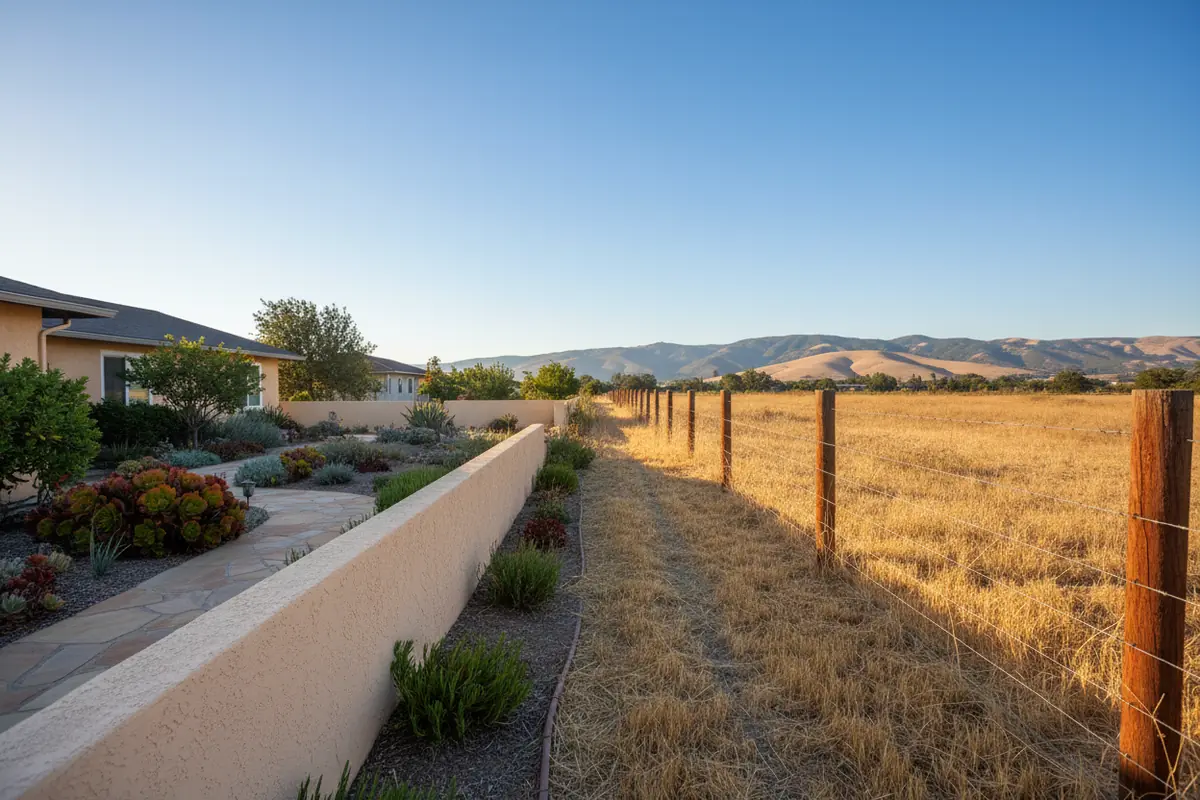
A property boundary wall dividing two California lots under clear morning light.
Immediate answer

A wildfire insurance claim runs against your own insurer under the policy; a lawsuit runs against whoever set or let the fire escape. How each works in California.

On this page
  1. Insurance Claim, Lawsuit or Both: What Each Route Is After a Wildfire
  2. What Your Fire Insurance Policy Requires — and the Time Limits It Sets
  3. Who Can Be Held Responsible for the Fire That Reached Your Property
  4. The Three-Year Period for Property Damage Claims — and What Starts the Clock
  5. How Federal Disaster Assistance Fits With Your Insurance and Any Lawsuit
  6. Side-by-Side: The Two Routes at a Glance
  7. Frequently asked questions
  8. Sources

After a California wildfire, an insurance claim and a lawsuit are two separate routes, not a choice of one over the other. The claim goes to your own insurer under your fire policy. A lawsuit goes against the person or business whose conduct set the fire or let it escape. Each follows its own law and its own time limits.

Most people facing this question are standing in the aftermath of a fire that took a home, a business, a family's things, or someone they loved. The adjuster is calling, neighbors are talking about who started it, and there are papers to fill out before anyone has had time to grieve. This page walks through how California law treats working with an insurer, pursuing those responsible for the fire, or both, side by side.

Insurance Claim, Lawsuit or Both: What Each Route Is After a Wildfire

An insurance claim is a demand made to your own insurance company under the terms of the policy you bought. It does not ask whether anyone was at fault for the fire. It asks what the policy covers, what the loss was, and what the insurer owes under the contract.

A lawsuit is different. It is a civil action, meaning a case filed in court by one person against another to recover for harm. After a wildfire, a lawsuit is brought against the person or entity whose conduct caused the fire or allowed it to start or spread. It rests on the law of fire liability rather than on your insurance contract.

Because the two routes point at different parties and rest on different laws, one can move forward while the other does too. For a family, that means working with an insurer does not by itself close the door on a case against whoever caused the fire. What each route can lead to depends on the policy, on what happened, and on the facts that can be shown.

Each route also runs on its own clock. A statute of limitations is a law that sets how long a person has to file a lawsuit; once that period ends, a court can refuse to hear the case no matter how strong the facts are. An insurance policy can carry its own time limits as well. People in this position often start by sorting out two questions: what their policy says, and what is known so far about how the fire began. For a broader overview of fire cases in court, see the page on how a wildfire lawsuit works.

What Your Fire Insurance Policy Requires — and the Time Limits It Sets

California does not leave the basic shape of a fire policy entirely up to each insurer. Section 2071 of the California Insurance Code adopts what it calls "the standard form of fire insurance policy for this state," the California Standard Form Fire Insurance Policy. Fire policies written in California are measured against that form. You can read it on the official text of Insurance Code section 2071.

The standard form describes what is covered. It insures "against all LOSS BY FIRE, LIGHTNING AND BY REMOVAL FROM PREMISES ENDANGERED BY THE PERILS INSURED AGAINST," to the extent of the actual cash value of the property at the time of loss. That amount is capped at what it would cost to repair or replace the property with material of like kind and quality within a reasonable time. The form excludes extra rebuilding cost caused by building ordinances, loss from interruption of business, and anything beyond the insured's own interest in the property.

The form also puts duties on you as the person making the claim. Under its terms, the "entire policy shall be void if, whether before or after a loss, the insured has willfully concealed or misrepresented any material fact," or in case of fraud or false swearing. In practical terms, what a family tells the insurer about the loss carries real weight. The form also lists property the policy does not cover, including accounts, bills, currency, deeds and securities, and perils it does not cover, including enemy attack, invasion, insurrection, rebellion, revolution and civil war.

For a family after a fire, the insurance route is governed by written terms: the policy's own wording, read alongside the standard form, decides coverage, conditions and time limits. Filing a claim with the insurer is one step; filing a lawsuit against the insurer, if the claim is disputed, is a separate step with its own deadline written into the policy. The period that applies, including any different period after a declared state of emergency, comes from the policy and the statute as written, and this page does not restate it as a number. Many people find it useful to gather a complete copy of the policy, including declarations and endorsements, and to note any questions about timing or coverage to raise with the insurer or an attorney.

Who Can Be Held Responsible for the Fire That Reached Your Property

The lawsuit route has its own statute. Section 13007 of the California Health and Safety Code provides, in full:

"Any person who personally or through another wilfully, negligently, or in violation of law, sets fire to, allows fire to be set to, or allows a fire kindled or attended by him to escape to, the property of another, whether privately or publicly owned, is liable to the owner of such property for any damages to the property caused by the fire."

Two words in that rule carry most of its weight. Liability means legal responsibility: a person who is liable can be ordered by a court to pay for the harm. Negligence means failing to use the care a reasonable person would use in the same situation. The statute reaches three kinds of conduct: acting willfully, acting negligently, or acting in violation of law. It also reaches three kinds of acts: setting fire to another's property, allowing fire to be set to it, or allowing a fire someone kindled or attended to escape to it. And it reaches conduct done "personally or through another," so the person responsible need not have struck the match.

If your property burned, two parts of the rule frame a possible case. It runs to "the owner of such property," so ownership of what was damaged matters. And it covers "damages to the property caused by the fire," so the question is whether this fire caused the specific loss you are claiming. A fire, however destructive, does not by itself show that anyone was negligent; whether someone's conduct meets the statute's standard depends on the facts.

This is what separates the lawsuit from the insurance claim. Your insurer owes what the contract says. A party facing a claim under section 13007 is answerable because of what it did or failed to do. That party might be a private person, a landowner, a business or a utility; fires involving power lines raise their own questions, explained on the page about a utility wildfire lawsuit in California. People weighing this route often collect what they know about where the fire started and how it reached their property, along with photos, reports and the names of witnesses.

The Three-Year Period for Property Damage Claims — and What Starts the Clock

For damage to land and buildings, section 338 of the California Code of Civil Procedure sets the statute of limitations. It provides that an action "for trespass upon or injury to real property" must be brought "within three years." Real property means land and what is built on it, such as a house, a barn or a fence. The same section gives three years for "an action upon a liability created by statute, other than a penalty or forfeiture," and for "taking, detaining, or injuring goods or chattels," meaning personal belongings. The official text is on the California Legislative Information page for section 338.

The phrase "starts the clock" refers to accrual: the point when the legal claim arises and the limitation period begins to count. For a family, the start date is not always obvious, and when a claim accrued in a particular fire case can itself turn on the facts. Writing down the fire date, when the damage was discovered and when the cause became known can help an attorney assess the timing.

The deadline runs whether or not the facts are strong. A claim filed after the period ends can be barred even when the loss is real and well documented. That clock is separate from any time limit in an insurance policy. Where the party responsible for a fire is a government entity, additional steps and earlier time limits may apply that this page does not cover, which is one reason people in that position often seek legal review promptly.

The type of harm also matters. A claim for a personal injury from a fire, or a wrongful-death claim brought by a family after a death, may carry a different limitation period than property damage. The page on deadlines for a California wildfire claim sets out the periods for each kind of claim.

How Federal Disaster Assistance Fits With Your Insurance and Any Lawsuit

Federal law adds one more rule that touches both routes. Under 42 U.S.C. § 5155(a), the President, in consultation with the federal agencies that run disaster programs, "shall assure that no such person, business concern, or other entity will receive such assistance with respect to any part of such loss as to which he has received financial assistance under any other program or from insurance or any other source."

This is the rule against duplication of benefits, meaning being paid twice for the same part of the same loss. It does not bar a person with insurance from federal aid altogether; it bars federal assistance for the part of a loss already paid by another program, by insurance, or by any other source. This page quotes only subsection (a); other parts of section 5155 address related questions, such as how aid and later payments are reconciled, and are not summarized here. For a family, a clear record of what each source has paid, and for which part of the loss, can help when questions about aid or repayment arise.

Side-by-Side: The Two Routes at a Glance

When a home is gone and every decision feels urgent, it can help to see both routes on one page. Each entry below comes only from the statutes discussed above.

RouteAgainst whomWhat it asksTime limit
Insurance claimYour own insurerPayment under the policy for loss by fire, measured against the standard form in Insurance Code section 2071As the policy and section 2071 state it, including any separate period to sue the insurer
Lawsuit for fire damageThe person or entity that willfully, negligently or unlawfully set the fire, allowed it to be set, or let it escapeDamages to the property caused by the fire, under Health and Safety Code section 13007Three years for injury to real property under Code of Civil Procedure section 338

Alongside both routes sits the federal rule in 42 U.S.C. § 5155(a): federal disaster assistance does not pay for any part of a loss already paid by insurance or another source.

The two routes can run side by side because they answer different questions: what the contract owes, and who is legally responsible for the fire. For someone who lost property, that means the outcome of one route does not settle the other, and each clock keeps running on its own. Which route fits, or whether both do, depends on the policy, on how the fire started and spread, and on what was lost. If you would like to talk through which of these routes may apply to what happened to your family and property, you can request a case evaluation. For answers to other recurring issues, see common questions about wildfire claims.

Free case evaluation

No Fee Unless We Win Your Case

A free case evaluation is how it starts. Tell us what happened, and we’ll help you understand your options. You pay no fee unless we win your case.

California Wildfire Litigation Group

How it works

  1. Call us or request a free case evaluationTell us what happened, in your own words.
  2. Talk through your caseYour options, and what your case may be worth.
  3. No fee unless we winYou pay no attorney fee unless we win your case.
Free case evaluation

Tell Us What Happened

Frequently asked questions

Can I file an insurance claim and a lawsuit at the same time after a California wildfire?

The two are separate routes against different parties. The insurance claim goes to your own insurer under the policy; a lawsuit goes against whoever set the fire or let it escape, under Health and Safety Code section 13007. Each has its own rules and time limits, so one can proceed while the other does.

Who can be held liable for starting or spreading a wildfire in California?

Under section 13007, any person who willfully, negligently or in violation of law sets fire to another's property, allows fire to be set to it, or lets a fire they kindled or attended escape to it, is liable to the owner for damage the fire caused. Whether anyone meets that standard depends on the facts.

How long do I have to file a property damage lawsuit after a California wildfire?

Section 338 of the Code of Civil Procedure gives three years for an action for injury to real property, counted from when the claim accrues. Personal injury and wrongful-death claims may carry different periods. How the period applies to a particular fire depends on its facts.

Does federal disaster assistance affect my insurance claim or lawsuit?

Under 42 U.S.C. § 5155(a), federal disaster assistance does not cover any part of a loss already paid by insurance or another source. It is a rule against being paid twice for the same loss, not a rule that people with insurance cannot receive federal aid.

What does California law require to hold someone responsible for a wildfire?

Section 13007 asks two things: that the person acted willfully, negligently or in violation of law in setting the fire, allowing it to be set, or letting it escape; and that the fire caused the property damage claimed. Negligence means failing to use reasonable care.

What is the difference between an insurance claim and a wildfire lawsuit?

The insurance claim asks what the contract owes; a wildfire lawsuit asks who is legally responsible for the fire. That is why the claim relies on the policy and California's standard fire form, while the lawsuit relies on section 13007 and the three-year period in section 338.

CallTextFree Case Evaluation